
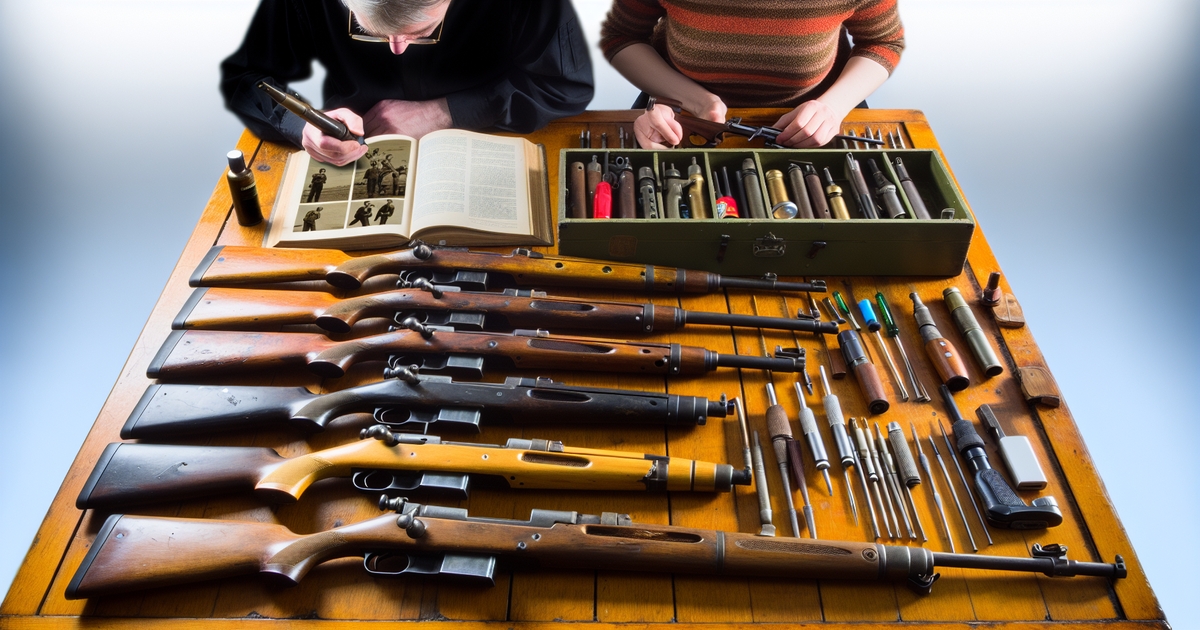
Military Surplus Firearms: Collecting, Maintenance & More
Did you know that there are over 8 million military surplus firearms in private hands in the United States alone? These historic relics carry with them a rich tapestry of stories, from battlefields to peacetime, and have found their way into the hands of collectors, enthusiasts, and everyday gun owners. Whether it’s a World War II-era rifle or a Cold War-era pistol, these firearms offer more than just historical significance; they provide a unique opportunity for individuals to own a piece of history and at an affordable price.
From iconic rifles to classic handguns, military surplus firearms offer an unmatched blend of history and functionality. So if you’ve ever been curious about owning a piece of history or simply want to expand your firearm collection with unique pieces, stay tuned as we uncover the hidden treasure trove that is military surplus firearms.
Key Takeaways
- Start your collection by understanding the evolution and historical significance of military surplus firearms.
- Identify different types of surplus firearms to make informed purchasing decisions.
- Consider adding Swiss military surplus firearms to your collection for their unique features and quality.
- Regular maintenance is crucial for preserving the value and functionality of surplus firearms.
- Expand your collection with accessories that complement and enhance the usability of military surplus firearms.
- Explore reputable sources and platforms to find authentic and well-maintained military surplus firearms.
Evolution of Military Surplus Firearms
Transition from Military Use
Military surplus firearms have undergone a remarkable transition from being exclusively used by the military to becoming available for civilian ownership. Once employed in combat or defense operations, these great rifles and other firearms are now accessible to civilians for various purposes such as hunting, target shooting, and collection. This transition has significantly expanded the market for firearms, allowing enthusiasts and collectors to acquire historically significant pieces.
The surplus firearms’ availability is often due to military upgrades or changes in technology that render older weapons obsolete. As a result, these retired firearms are made available for purchase by civilians through licensed dealers or auctions. For example, iconic rifles like the M1 Garand or Mosin-Nagant were once standard-issue military rifles but can now be found in civilian hands across the country.
Impact on Arms Market
The introduction of surplus military firearms into the civilian market has had a notable impact on the arms industry. It has provided an affordable alternative for individuals seeking reliable and durable firearms without having to invest in brand-new models. The affordability of these surplus weapons makes them particularly appealing to budget-conscious buyers who still desire high-quality great rifles with historical significance.
Moreover, their availability contributes to preserving history as civilians can own and appreciate authentic pieces that played pivotal roles in past conflicts or wars. Collectors value these historical artifacts not only as functional items but also as tangible connections to significant events in history.
Historical Context of Production
The production of surplus military firearms is deeply rooted in historical contexts shaped by global conflicts and geopolitical shifts. For instance, after World War II, vast quantities of surplus weapons flooded the market due to demilitarization efforts by countries involved in the war. These excess weapons became widely available at reasonable prices both domestically and internationally.
Similarly, during periods of conflict throughout history, governments ramped up firearm production leading to an abundance of surplus weapons once hostilities ceased. This trend continued through subsequent conflicts such as the Korean War and Vietnam War among others resulting in substantial numbers of retired great rifles entering into civilian circulation.
Identifying Different Types of Surplus Firearms
Varieties
Military surplus firearms come in a wide range of options, including rifles, pistols, and shotguns. These firearms often originate from various countries and historical periods. For example, the Mosin-Nagant rifle is a popular type of surplus rifle that was used by Russian forces during World War I and World War II. Similarly, surplus pistols like the iconic Colt M1911 were standard issue for the U.S. military for over seven decades.
Surplus shotguns also have their own unique characteristics, with many originating from different parts of the world such as Italy or Spain. Each type of firearm has its own distinct features that make it valuable to collectors and enthusiasts alike.
Characteristics
One key feature that distinguishes surplus firearms from their modern counterparts is their historical significance. These firearms have often been used in major conflicts or by military forces around the world, giving them a rich history and story behind each piece.
Moreover, surplus firearms frequently exhibit craftsmanship and design elements that are not commonly found in modern weapons. This can include wooden stocks, metal finishes, engravings, and other details that reflect the era in which they were produced.
Understanding these distinguishing characteristics allows collectors to appreciate the unique attributes of each firearm while also gaining insight into the historical context in which they were utilized.
Origins and Specifications
To truly understand military surplus firearms, it’s essential to delve into their origins and specifications. Each firearm has its own set of specifications based on its country of origin, time period when it was manufactured, and its intended use on the battlefield.
For instance:
- The Mauser K98 rifle originated in Germany before being utilized by various countries during World War II.
- The Soviet-designed AK-47 assault rifle became synonymous with Cold War-era conflicts across multiple continents due to its reliability under harsh conditions.
- The Beretta M1951 pistol served as an official sidearm for Italian armed forces before being replaced by more modern designs.
These examples highlight how understanding both origins (where they come from) and specifications (what makes them unique) provides valuable insights into why these firearms hold such historical significance.
Swiss Military Surplus Firearms Overview
Durability and Reliability
Swiss military surplus firearms are renowned for their quality craftsmanship, durability, and reliability. These firearms were designed to withstand harsh conditions and rigorous military use, making them highly sought after by collectors and enthusiasts. The meticulous Swiss engineering ensures that these firearms maintain their functionality even after decades of service.
The legendary Swiss attention to detail is evident in the precision machining of parts and the robust construction of these firearms. This results in a level of quality that surpasses many modern weapons. For example, the SIG P210 pistol, a notable Swiss military surplus firearm, is celebrated for its exceptional accuracy and smooth trigger pull.
Timeless Design
One of the unique features of Swiss military surplus firearms is their timeless design. The aesthetic appeal combined with practical functionality makes these firearms stand out among other surplus options. The classic lines and ergonomic grips contribute to the overall allure of owning a piece of history while still having a reliable firearm for shooting sports or collections.
Swiss rifle models like the K31 also showcase this timeless design ethos with their straight-pull bolt action mechanism, which provides rapid follow-up shots without compromising on accuracy. These rifles have become iconic symbols not just for Switzerland’s military history but also as prized possessions for gun aficionados worldwide.
SIG SG 510
The SIG SG 510, also known as Sturmgewehr 57 (Stgw 57), is one of the most notable Swiss military surplus rifles available today. Its robust build quality coupled with its select-fire capability has made it an attractive choice among collectors looking for authentic Cold War-era rifles.
K11 Carbine
Another standout model is the K11 Carbine – an evolution from its predecessor, Schmidt-Rubin M1889 rifle series – featuring improved sights and handling characteristics compared to earlier versions. Its compact size makes it ideal for hunting or target shooting while retaining historical significance due to its service in both World Wars.
Swiss military surplus firearms enjoy widespread popularity due to their reputation for unmatched quality, reliability, and historical significance. Collectors value them not only as functional pieces but also as tangible links to Switzerland’s rich martial heritage. These firearms’ enduring popularity can be attributed to their excellent craftsmanship;
Historical Significance of Military Surplus Firearms
Role in Major Conflicts
Military surplus firearms have played a crucial role in major historical conflicts, shaping the outcomes of wars and battles. These firearms were often used by soldiers in significant events such as World War I and World War II, altering the course of history. For example, the Mosin-Nagant rifle, a prominent military surplus firearm from Russia, was extensively utilized during both world wars. Its widespread availability significantly impacted combat strategies and battlefield dynamics.
The adoption of surplus firearms also affected the tactics employed by various armies during historical conflicts. The mass production and distribution of surplus rifles like the Lee-Enfield or Mauser Gewehr 98 led to changes in military strategies. Soldiers’ ability to engage enemies at longer ranges with these powerful weapons influenced battlefield maneuvers and defensive positions. Consequently, these firearms contributed to shaping how wars were fought and won throughout history.
Influence on Global Military Strategies
The influence of military surplus firearms extended beyond individual battles; it impacted global military strategies as well. The availability of surplus weapons following major conflicts allowed smaller nations or resistance movements to acquire arms that would have otherwise been unattainable due to cost or scarcity. This access altered power dynamics on regional scales, leading to shifts in geopolitical influence.
Moreover, some countries strategically provided their outdated weaponry as aid or sold them at low prices after modernizing their own arsenals. This practice not only served diplomatic purposes but also had lasting effects on international relations and security policies around the world.
Preservation through Collections
The preservation of historical significance is another vital aspect related to military surplus firearms. Many enthusiasts collect these artifacts for their historical value and aesthetic appeal while others view them as tangible connections to pivotal moments in history.
These collections serve as educational tools for understanding past conflicts, technological advancements in weaponry, and cultural influences on firearm design over time. Furthermore, they contribute to preserving the memory of those who fought using these weapons—honoring their sacrifices for future generations.
Collecting Military Surplus: C&R Rifles and Handguns
Understanding C&R Designation
Collecting military surplus firearms often involves navigating the regulations surrounding Curio & Relic (C&R) items. These regulations pertain to certain firearms deemed to hold historical significance or collector’s value, allowing for easier acquisition and transfer among eligible individuals.
When a firearm is designated as a C&R item, collectors can obtain them directly through licensed dealers or have them shipped straight to their doorsteps. This designation streamlines the process of acquiring rifles and handguns with historical value, making it more convenient for enthusiasts to expand their collections.
Advantages and Challenges
One advantage of delving into military surplus firearms collection under C&R regulations is the accessibility it provides. Enthusiasts can acquire iconic rifles and handguns from various eras without facing as many bureaucratic hurdles compared to modern firearms purchases.
However, challenges do exist within this realm. While some items may be relatively easy to find and purchase at reasonable prices, others might be rare or come with hefty price tags due to their scarcity in the market. Ensuring compliance with all relevant laws and regulations is crucial when dealing with C&R firearms.
Historical Significance
The allure of collecting military surplus rifles lies in their historical significance. Each rifle or handgun has its own story embedded within its design and usage throughout different periods of history. For instance, owning a Mosin-Nagant rifle used during World War II offers an intimate connection to that era’s events.
By diversifying one’s collection across various time periods and nations, collectors gain insight into how firearm technology evolved over time while also appreciating the role these weapons played in shaping world history.
Market Diversity
Another aspect of building a diverse collection involves exploring the wide array of options available in today’s market. From classic Mauser rifles originating from Germany to Soviet-era Tokarev pistols, there are numerous choices for collectors looking to amass an eclectic assortment of military surplus firearms.
Moreover, engaging with fellow enthusiasts at gun shows or online forums can provide valuable insights into unique pieces that might not be easily accessible elsewhere.
Maintenance Tips for Surplus Firearm Collectors
Essential Maintenance Practices
There are a few essential practices to keep in mind. Firstly, regular cleaning is crucial to prevent corrosion and maintain the firearm’s functionality. Use a cleaning rod, patches, solvent, and gun oil to clean the bore and other parts of the firearm. Inspecting for rust or pitting is important as these issues can worsen over time if not addressed promptly. Lastly, ensure that all moving parts are well-lubricated to prevent wear and tear.
Proper storage techniques play a vital role in preserving military surplus firearms. Storing them in a cool, dry place helps prevent moisture from causing rust or corrosion. Consider using protective cases or silicone-treated gun socks to shield the firearms from humidity and dust. Furthermore, storing them away from direct sunlight prevents damage due to UV exposure.
Addressing Common Issues
Common issues with aging surplus firearms often include rust accumulation on metal surfaces and degradation of wooden components such as stocks and grips. To address rust, gently remove it using fine steel wool or brass brushes before applying a thin layer of gun oil to inhibit further oxidation. For wooden parts showing signs of wear or damage like cracks or splintering, consider using linseed oil for rejuvenation while ensuring that excess oil is wiped off after application.
Military Surplus Accessories and Their Uses
Common Accessories
Military surplus firearms are often accompanied by a variety of accessories that were originally designed for service use. Some common accessories include slings, bayonets, cleaning kits, and ammunition pouches. These accessories were integral to the functionality and maintenance of the firearms during their active service.
These accessories not only serve practical purposes but also add historical authenticity to the firearms. For example, a military surplus rifle with its original sling and bayonet can provide collectors with a tangible connection to the firearm’s era of use.
Practical Applications
The slings attached to military surplus rifles allow for easier carrying and maneuvering in various environments. They enable users to keep their hands free while ensuring that the firearm is readily accessible when needed. bayonets, although primarily associated with close combat in wartime scenarios, can also be used as multipurpose tools for activities such as camping or hunting.
Furthermore, cleaning kits are essential for maintaining the reliability and longevity of surplus firearms. They enable owners to properly clean and lubricate their weapons after each use or periodically during storage.
Moreover, ammunition pouches play a crucial role in providing convenient access to additional rounds during shooting activities or training exercises.
Enhancing Functionality
By utilizing these surplus firearm accessories effectively, enthusiasts can enhance both the functionality and historical authenticity of their collections. For instance, attaching an original sling allows individuals to experience handling these rifles just as soldiers did during their time in service.
Incorporating authentic cleaning kits into one’s collection ensures that proper maintenance practices are observed while preserving these pieces of history for future generations.
Building a Military Surplus Firearms Collection
Authenticity Matters
Authenticity is crucial. Look for reputable dealers or auctions that specialize in authentic surplus guns. Research the history and markings of each firearm to ensure its genuine military origin. For example, a Mosin-Nagant rifle with Cyrillic markings could indicate its Russian military heritage.
Condition and Rarity
Consider the condition and rarity of the firearms you’re looking to add to your collection. While some collectors prefer pristine condition, others find value in well-used firearms that bear the marks of their service history. Rare variations or limited production models can significantly enhance the appeal of a collection.
Finding authentic surplus firearms requires patience and diligence. Attend gun shows, visit specialized shops, explore online forums, and connect with fellow enthusiasts who may have leads on unique pieces.
Historical Significance
Diversifying your collection allows you to showcase different eras, conflicts, and technological advancements in military history through firearms. From World War I bolt-action rifles to Vietnam-era semi-automatic rifles, each piece tells a story about its time period and the soldiers who wielded them.
Cultural Representation
In addition to diversifying by historical significance, consider adding firearms from various countries’ militaries. This not only adds diversity but also showcases the cultural impact of different nations’ armed forces throughout history.
Expanding your surplus firearm collection beyond rifles can provide a more comprehensive representation of military arms through time – including pistols, submachine guns, light machine guns (LMGs), heavy machine guns (HMGs), sniper rifles – offering an immersive experience into military technology evolution.
Educational Opportunities
A well-curated collection offers educational opportunities for enthusiasts as well as students studying history or military science. By displaying these artifacts alongside contextual information about their use in historical events or wars – such as battle maps or uniforms – collectors create engaging exhibits that bring history alive for visitors.
Preserving Heritage
By carefully curating a diverse selection of authentic surplus weapons from different periods and regions around the world within one’s personal arsenal preserves our collective human heritage while honoring those who served during times of conflict.
Where to Find Military Surplus Firearms
Online Platforms
Online platforms are a convenient option. Websites like GunBroker, Classic Firearms, and AIM Surplus offer a wide range of authentic surplus firearms. These platforms provide access to numerous sellers and an extensive selection of firearms from various eras. Buyers can browse through different listings, compare prices, and read reviews from other customers before making a purchase.
Online auctions also present an opportunity to acquire unique military surplus firearms. Auction sites such as Rock Island Auction Company regularly feature rare and collectible weapons that may not be readily available elsewhere. However, it’s crucial for buyers to exercise caution and thoroughly research the firearm’s history, condition, and authenticity before participating in an auction.
Specialized Dealers
In addition to online platforms, specialized dealers play a significant role in providing authentic military surplus firearms. These dealers often have expertise in sourcing and verifying the authenticity of historical firearms. They may attend trade shows or gun expos where collectors can view their inventory firsthand.
Specialized dealers are known for offering personalized service and expert knowledge about the provenance of each firearm they sell. This level of expertise can be invaluable when seeking specific models or understanding the historical significance of a particular weapon.
Evaluating Authenticity and Condition
When considering the purchase of military surplus firearms, several factors should be carefully evaluated to ensure authenticity and assess their condition properly:
- Markings: Look for original markings such as serial numbers, arsenal stamps, or import marks that validate the firearm’s origin.
- Wear Patterns: Genuine military surplus firearms often exhibit distinct wear patterns consistent with their age and use.
- Documentation: Seek out any available documentation or provenance that verifies the firearm’s history.
- Inspection: If possible, inspecting the firearm in person allows for a closer examination of its components for signs of wear, damage, or alterations.
By exploring reputable sources such as online platforms like GunBroker or specialized dealers who offer authentic military surplus firearms at trade shows or expos while considering factors like markings, wear patterns, documentation, and inspection, enthusiasts can build impressive collections with confidence.
Closing Thoughts
You’ve now explored the rich history and diverse world of military surplus firearms. From their evolution to maintenance tips and building a collection, you’ve gained insight into this fascinating realm. Whether you’re a seasoned collector or just starting, the allure of these firearms is undeniable. So, why not take the next step and add a piece of history to your own collection? Start your search for military surplus firearms and accessories, and embark on a journey that connects you with the past in a tangible way.
Remember, collecting military surplus firearms is not just about amassing objects; it’s about preserving history and honoring the sacrifices made by those who wielded these weapons. As you delve into this hobby, keep in mind the responsibility that comes with owning such artifacts. Happy collecting!
Frequently Asked Questions
Are military surplus firearms safe to use?
Yes, military surplus firearms can be safe to use if they are properly inspected, maintained, and used responsibly. It’s essential to have them checked by a qualified gunsmith before firing them.
Where can I find authentic military surplus firearms for sale?
You can find authentic military surplus firearms for sale at reputable online dealers, auctions, gun shows, and specialty stores that specialize in historical and collectible weaponry.
What are C&R rifles and handguns in the context of military surplus collecting?
C&R (Curio & Relic) rifles and handguns refer to firearms that are considered collectors’ items due to their age or historical significance. These weapons often hold particular value for enthusiasts interested in preserving history.
How should I maintain my military surplus firearm collection?
Proper maintenance involves regular cleaning, inspection for rust or damage, lubrication of moving parts with appropriate oils/grease, and storing the firearms in a controlled environment away from moisture or extreme temperatures.
What accessories are commonly associated with military surplus firearms?
Common accessories include slings, bayonets, cleaning kits specific to the era of the firearm being collected. Original ammunition pouches or holsters designed for these weapons add authenticity to a collection.


