
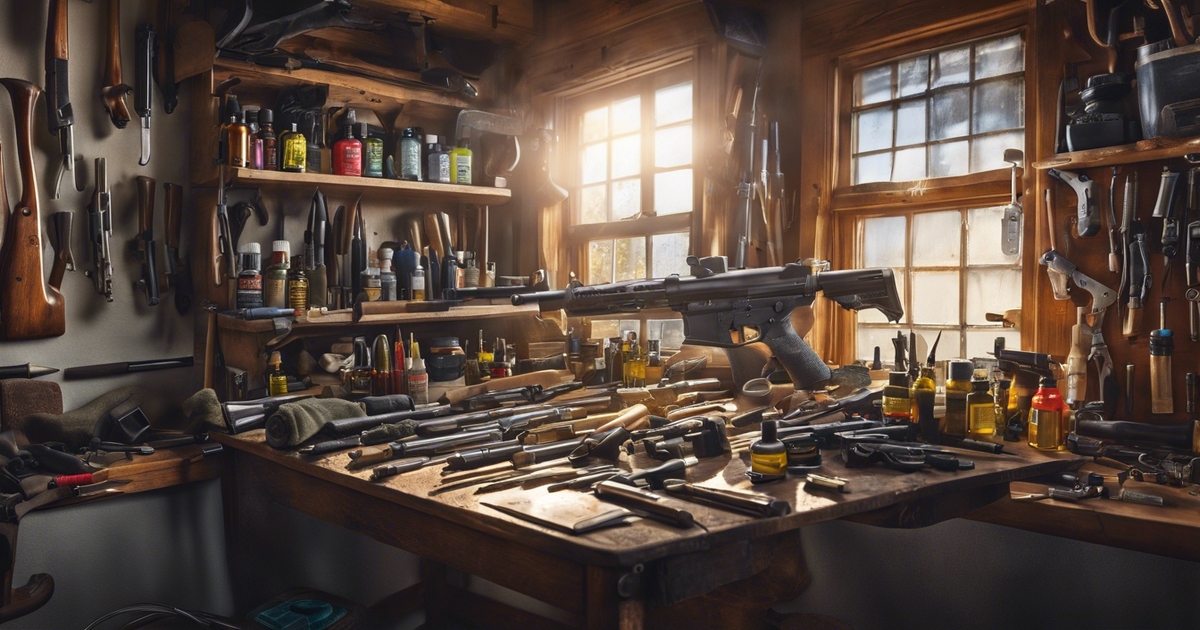
Best Gun Maintenance Products for New Owners
Finding the right gun lubricants and cleaning products can feel overwhelming. With countless options available, it’s easy to get lost in the noise. Some products promise the world but deliver little. Others might seem like a great deal to people but fall short on performance with ease.
In this guide, we’ll cut through the clutter and showcase the 34 best gun lubricants and cleaning products that truly make a difference. These selections stand out for their effectiveness, reliability, and user satisfaction. Whether you’re a seasoned pro or just starting, these products will keep your firearms in top shape. Get ready to discover what works best for your needs, ensure your pro gear performs at its peak, and shop for shirts by the end.
Importance of Gun Maintenance
Reliability
Regular gun cleaning is crucial for reliability. It ensures that the firearm functions correctly when needed. A clean gun performs better and can prevent unexpected malfunctions. Without proper maintenance, a firearm, like gun oil, may fail at critical moments for people and guys at the end. This can lead to dangerous situations.
Longevity
Proper lubrication keeps metal parts in good condition. It prevents rust and reduces wear from friction. Guns are made of metal, which can corrode over time without care. Regular maintenance extends the lifespan of firearms significantly. People should make it a habit to clean and lubricate their guns after each use, pro at the end.
Safety
Neglecting gun maintenance poses serious risks. Dirty guns can misfire or jam, leading to potential injuries in the end, pro. Malfunctions can occur if dirt builds up in the action or chamber. Accuracy also decreases with poor maintenance. A clean barrel promotes better bullet travel, improving shooting precision.
Maintenance Routine
Establishing a maintenance routine is essential for every gun owner to the end. A simple checklist can help ensure nothing is overlooked:
- Inspect the firearm before and after use.
- Clean the barrel and action thoroughly.
- Lubricate moving parts to reduce friction.
- Store the gun in a dry place to avoid rust.
By following these steps, owners can keep their firearms in top shape with gun oil until the end.
Favorite Products
Many enthusiasts have their favorite gun cleaning products. These often include oils and solvents designed specifically for firearms. Using quality products like gun oil helps achieve better results during cleaning sessions. Some popular options include CLP (Cleaner, Lubricant, Protectant) solutions that simplify the process by combining multiple functions into one product.
Time Investment
Investing time in gun maintenance pays off in the long run. Regular upkeep prevents costly repairs down the line. It also enhances performance, making shooting more enjoyable and safe. Setting aside just a few minutes after each use of gun oil can make a significant difference.
Overview of Gun Lubricants and Cleaners
Types of Products
Gun lubricants come in various forms. Common options include oils, greases, and CLPs (cleaner, lubricant, protectant). Each type serves a specific purpose.
Oils are lightweight and penetrate well. They work best for lubrication in tight spaces. Greases provide a thicker layer of protection. They are ideal for high-friction areas. CLPs combine cleaning, lubricating, and protecting properties. They simplify the maintenance process by serving multiple functions.
Choosing the Right Product
Selecting the right gun lube is crucial. The choice depends on the firearm type and usage conditions. For example, semi-automatic pistols may require different products, such as gun oil, than bolt-action rifles.
Environmental factors also play a role. Humidity can speed up rust formation. In such cases, using a good protectant is vital. Cold weather can affect oil viscosity. Thicker oils might not perform well in low temperatures.
Cleaning Efficiency vs. Lubrication Effectiveness
Balancing cleaning efficiency with lubrication effectiveness, such as gun oil, is essential when choosing products. Some cleaners work great but leave little lubrication behind. Others may lubricate well but fail to clean effectively.
For optimal performance, consider using a complete cleaning kit. A good kit includes solvents, wipes, and brushes. Solvents like mineral spirits and gun oil help dissolve carbon buildup and residue. Wipes offer convenience for quick clean-ups.
Air compressors can aid in cleaning as well. They blow out debris from hard-to-reach areas without damaging parts using gun oil.
Popular Products
Several popular products stand out in the market:
-
Elite Foaming Gun Cleaner: This cleaner removes fouling effectively.
-
Gun Scrubber: Known for its strong cleaning power.
-
Break Free Wipes: Convenient for on-the-go maintenance.
These options cater to different needs and preferences.
Maintenance Frequency
Regular maintenance is key to firearm longevity. Cleaning after each use helps prevent buildup that can lead to malfunctions. Using the right gun cleaning kit ensures thorough cleaning without damaging metal surfaces.
A proper routine includes inspecting parts while cleaning. Look for wear or damage that could affect performance.
Types of Gun Oils
Synthetic Oils
Synthetic oils have become popular in the gun oil market. They are made from chemically engineered compounds. This allows for better performance under extreme conditions. Synthetic oils typically offer higher viscosity stability. They resist breakdown at high temperatures and maintain their effectiveness over time.
These oils often provide superior lubrication. They reduce friction between moving parts, which can enhance accuracy. Many gun owners prefer synthetic oils for their long-lasting protection. They also tend to clean more easily than traditional oils.
Natural Oils
Natural oils, like mineral oil or vegetable oil, are traditional options in the gun oil industry. These oils come from organic sources. They may be less expensive but often lack the durability of synthetic options. However, they can still be effective for routine maintenance.
Natural oils usually require more frequent application. Their protective qualities may not last as long as synthetic alternatives. Some users appreciate the eco-friendly aspect of natural oils. Others find them suitable for casual shooting sessions.
Viscosity Importance
Viscosity plays a crucial role in how gun oils perform. It refers to the thickness of the oil and affects its flow rate. Higher viscosity oils provide better protection against wear and tear. They cling to surfaces better, especially during heavy use.
Conversely, lower viscosity oils penetrate tighter spaces more effectively. This can be beneficial for small mechanical parts within firearms. Choosing the right viscosity ensures proper lubrication and reduces potential damage.
Anti-Corrosion Properties
Using oils with anti-corrosion properties is vital for long-term storage of firearms. These oils create a barrier that prevents moisture from reaching metal surfaces. This helps avoid rust and degradation over time.
Gun shield oil often contains special additives that enhance corrosion resistance. Such products are essential for collectors or those storing firearms for extended periods. Regular application of anti-corrosive oils can extend the life of your firearm significantly.
Top CLP Options
Multifunctionality
CLPs serve as cleaners, lubricants, and protectants. This multifunctionality makes them a popular choice for gun maintenance. A good CLP removes dirt and grime effectively. It also provides lubrication to keep moving parts functioning smoothly. Protecting the metal surfaces from rust is another key feature. These products save time and effort by combining multiple functions into one.
Using a single product simplifies the cleaning process. Shooters can quickly clean their firearms after use without needing several different products. This efficiency is especially helpful for those who spend long days at the range.
Convenience of Wipes
CLP wipes offer a convenient solution for quick maintenance. They come pre-soaked in a cleaning solution. Users can easily grab a wipe and start cleaning. This eliminates the need for messy sprays or bottles.
Wipes are especially useful for on-the-go cleaning. After a day at the range, shooters can quickly wipe down their firearms before storing them. The compact size of wipes makes them easy to carry in a range bag or pocket. Many gun owners appreciate this convenience during busy shooting days.
Importance of Effectiveness
Choosing the right CLP is crucial for effective gun care. Not all CLPs provide the same level of cleaning and lubrication. Some may clean well but fail to offer long-lasting lubrication. Others might lubricate effectively but do not remove carbon fouling adequately.
A top-rated CLP should excel in both areas. Look for products that have been tested and proven effective by users. Brands like Break Free CLP are popular among gun enthusiasts for their reliability. They offer excellent cleaning power while ensuring that parts remain lubricated over time.
Users should consider their specific needs when selecting a CLP. Some might require a free CLP option for budget reasons, while others may prioritize performance over cost. Always read reviews and ask fellow shooters for recommendations.
Best Grease for Guns
Gun Grease Types
Grease comes in various types. Heavy duty grease is ideal for high-friction areas. It stays put and resists breakdown under pressure. Thin grease, on the other hand, flows easily into tight spaces. This makes it suitable for lighter applications. Each type serves a specific purpose based on the firearm’s needs.
Temperature Resistance
Temperature resistance is critical when selecting grease. Some greases perform well in extreme heat or cold. For example, TW25B synthetic grease offers excellent temperature stability. This feature prevents failures in harsh conditions. In contrast, regular oils may break down quickly when exposed to high temperatures. Choosing a grease that withstands temperature extremes ensures reliable performance.
Protective Barrier
Grease provides a longer-lasting protective barrier compared to oils. It clings to surfaces better and does not evaporate as quickly. This characteristic makes it effective in preventing rust and corrosion. For instance, Pro Gold grease creates a strong shield against moisture and dirt. Regular oil may require frequent reapplication, while grease can last longer between maintenance sessions.
Application Scenarios
Certain scenarios favor using grease over oil. High-friction areas benefit most from a thicker lubricant. Grease reduces wear and tear on moving parts during heavy use. Firearms used in military or law enforcement settings often face intense conditions. Using a robust product like Ballistol or Teflon-based grease can enhance performance and reliability.
Brand Recommendations
Several brands stand out in the gun grease market. Elite gun oil is popular for its versatile application and protection. Comm Military TW25B synthetic grease is favored by professionals for its durability and performance under stress. These brands have earned trust within the firearm community due to their proven effectiveness.
Maintenance Importance
Regular maintenance is essential for firearm longevity. Proper lubrication with the right products can prevent malfunctions. Grease helps maintain function even in adverse conditions, extending the life of your firearm. Neglecting this aspect can lead to increased wear and costly repairs.
Oil vs Grease vs Lube
Composition Differences
Oils, greases, and lubes have different compositions. Oils are typically liquid and contain various additives. They flow easily and penetrate tight spaces. Motor oil is a common example, designed for engines.
Greases are thicker and often contain a base oil mixed with a thickening agent. This makes them more stable under pressure. Lithium grease is a popular choice for many applications due to its durability.
Lubes can refer to both oils and greases but often imply a specialized product. For instance, Super Lube offers a synthetic option that combines the benefits of both oils and greases.
Use Cases for Oils
Oils are best for applications requiring quick penetration. They reduce friction in moving parts effectively. Firearms benefit from oil as it prevents rust and corrosion.
Using motor oil on firearms is common due to its availability and effectiveness. It works well in moderate temperatures but may not perform well in extreme conditions.
Advantages of Greases
Greases provide longer-lasting lubrication. Their thicker consistency means they stay in place better than oils. This makes them ideal for high-pressure situations.
For firearms, greases work well on parts that experience heavy wear. They can help protect against dirt and debris accumulation. However, greases may attract dust if not applied carefully.
Strengths of Lubes
Lubes offer versatility in firearm maintenance. They can come in various forms, including sprays and gels. Lubricant protectants can also help repel moisture.
Specific lubes are formulated for outdoor use, making them suitable for hunting or shooting in wet environments. Understanding the specific needs of your firearm will help determine which lube to choose.
Importance of Firearm Mechanics
Understanding how your firearm operates is crucial when selecting lubricants. Each part has different requirements based on movement and exposure to elements.
For example, moving parts need light oils for smooth operation, while stationary parts might benefit from greases. Knowing where to apply each type can improve performance and longevity.
Choosing the right lubricant helps maintain accuracy and reliability. A well-lubricated firearm performs better over time, reducing the risk of malfunctions.
Tips for Choosing Products
Frequency Consideration
Consider how often you use your firearms. The best products for occasional users may differ from those for frequent shooters. Regular use requires more durable and effective lubricants. These products must withstand wear and tear. If you shoot often, look for items that offer long-lasting protection.
Environmental conditions also play a role. Humidity, temperature, and exposure to elements can affect your choice. For instance, humid climates may require rust-resistant ingredients. Cold weather might need oils that stay fluid in low temperatures. Understanding these factors helps in selecting the right products.
User Reviews
Reading user reviews is essential when choosing equipment. Reviews provide insights into product performance and reliability. They reveal real-life experiences from other gun owners. Look for patterns in feedback. Positive reviews can indicate effectiveness, while negative ones may highlight issues.
Expert opinions also add value. Professionals often test various goods and can recommend top choices based on performance. Websites and forums dedicated to firearms usually feature expert assessments. Utilize these resources to make informed decisions about which products to consider.
Testing Products
Testing different products is vital for finding the best fit for your firearms. Each gun owner has unique needs and preferences. What works well for one person might not suit another’s requirements. Start with small quantities of various lubricants or cleaning supplies.
Conduct tests under your shooting conditions. Apply each product according to its instructions. Observe how they perform after several uses. Pay attention to how easy they are to apply and clean off afterward. This hands-on approach will help identify which items protect your firearm best.
Key Ingredients
Understanding key ingredients in products can guide your selection process. Common ingredients include synthetic oils, natural oils, and additives designed for protection against corrosion and wear. Some products focus on cleaning while others emphasize lubrication.
Look for items that specify their applications clearly. Knowing whether a product is meant for cleaning or lubricating helps avoid confusion during use. Consider if the product is biodegradable or eco-friendly if that matters to you.
Final Thoughts
Choosing the right gun lubricants and cleaning products requires careful consideration of various factors. Assess your frequency of use and environmental conditions first. Read user reviews and expert recommendations to gauge effectiveness next.
Finally, test different options to find what works best for you and your firearms. Doing so ensures optimal performance and longevity of your equipment.
Advice for New Gun Owners
Maintenance Routines
New gun owners should learn basic maintenance routines. Regular cleaning keeps firearms safe and reliable. Guns can accumulate dirt and residue from shooting. This buildup can affect performance. A simple routine includes disassembly, cleaning, and lubrication.
Start by removing the magazine and ensuring the firearm is unloaded. Use a cleaning rod with patches to clean the barrel. Wipe down other parts with a cloth or brush. Follow this with a light application of lubricant. This process helps maintain various guns, including rifles and pistols.
Versatile Products
Using versatile products simplifies gun care. CLPs, or Cleaner, Lubricant, and Protectant, are excellent choices for beginners. They serve multiple purposes in one bottle. CLPs clean residues, lubricate moving parts, and protect against rust. Many new shooters find these products easy to use.
Look for CLPs from reputable brands. Some popular options include Break-Free CLP and Hoppe’s No. 9. These products are widely available and user-friendly. They work well on different types of firearms, including glocks and hunting rifles.
Seeking Guidance
Guidance from experienced gun owners can be invaluable. New owners should consider reaching out to seasoned shooters for advice. They can share best practices for cleaning and maintaining firearms. Joining local shooting clubs or online forums can connect you with knowledgeable individuals.
Many professionals offer classes on firearm maintenance. These sessions often cover essential skills like cleaning techniques and safety measures. Learning from experts enhances confidence in handling guns safely.
Essential Tools
Having the right tools makes maintenance easier. New gun owners should invest in a basic cleaning kit. A typical kit includes brushes, patches, a cleaning rod, and a bore snake. These items help keep firearms in top condition.
Also, consider adding protective gear such as gloves and safety glasses when cleaning firearms. This ensures safety during the maintenance process.
Safety First
Safety cannot be stressed enough for new gun owners. Always handle firearms responsibly. Store guns securely when not in use. Follow all guidelines set by the ATF regarding firearm ownership and maintenance.
Educating oneself about laws related to firearms is crucial too. Understanding regulations helps ensure compliance and responsible ownership.
Summary
Gun maintenance is crucial for performance and safety. You’ve learned about the best lubricants and cleaners, their types, and how to choose the right products. Each section highlighted essential tips that will help you keep your firearms in top shape.
Investing in quality gun care products pays off in the long run. Regular maintenance ensures reliability and longevity of your gear. Don’t wait—get started on maintaining your firearms today! Explore the options discussed and make informed decisions tailored to your needs. Your guns deserve the best care possible.
Frequently Asked Questions
What is the importance of gun maintenance?
Gun maintenance ensures reliability and safety. Regular cleaning and lubrication prevent rust and wear, enhancing performance and extending the lifespan of your firearm.
How often should I clean my gun?
Clean your gun after each use or at least once a month if not used frequently. This prevents buildup and maintains optimal function.
What are CLP products?
CLP stands for Clean, Lubricate, Protect. These multifunctional products simplify maintenance by cleaning fouling, lubricating moving parts, and protecting against corrosion.
Can I use regular oil for my gun?
No, avoid using regular oil. Gun-specific lubricants are formulated to withstand high temperatures and pressures, ensuring better protection and performance.
What’s the difference between oil and grease for guns?
Oil penetrates tight spaces and provides lubrication, while grease offers thicker protection for parts under heavy load. Choose based on your firearm’s needs.
Are there any specific brands recommended for gun lubricants?
Yes, popular brands include Hoppe’s, Break-Free, and Ballistol. These brands are trusted for their effectiveness and reliability among gun owners.
What should new gun owners know about maintenance?
New gun owners should prioritize regular cleaning and lubrication. Familiarize yourself with your firearm’s manual for specific maintenance guidelines and product recommendations.


