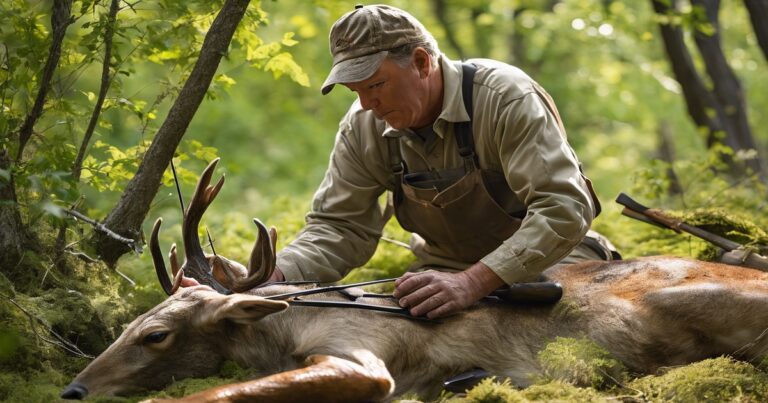
Deer Hunting Seasons and Regulations | Virginia DWR
Understanding the legal hunting seasons for different game animals in your area is crucial for every hunter. Knowing when you can hunt ensures you stay within the law and helps protect wildlife populations. Each state and its cities have specific regulations, and these can vary by species, day, and region.
From deer to waterfowl, being informed means you can plan your trips effectively. It also enhances your chances of a successful hunt while promoting responsible practices. Whether you’re a seasoned pro or just starting out, this guide will break down the essential dates and rules for hunting in your area. Stay legal by following small game hunting regulations, stay safe, and enjoy the thrill of the hunt!
Overview of Hunting Seasons
Definition
Hunting seasons refer to specific timeframes set by wildlife agencies for legally hunting various game animals. These periods are crucial for managing animal populations through small game hunting regulations and ensuring sustainable practices. Each state or region defines its own hunting days based on local wildlife needs.
Importance of Adhering to Seasons
Hunters must follow these designated seasons. This practice helps maintain a balance in wildlife populations. Overhunting during off-seasons can lead to declines in certain species. Conservation efforts depend on these regulations to protect ecosystems and ensure that future generations can enjoy hunting.
Variability by Region
Hunting seasons vary widely across different regions. For example, the open deer hunting season might start in October in one area but begin later in another. Each state has its own small game hunting regulations, which hunters must understand. Local wildlife agencies provide specific dates for deer seasons and other game animals.
Hunters should check their local regulations regularly. Season exceptions may apply due to environmental factors or population studies. Staying informed is essential for compliance and conservation efforts.
Key Dates for Deer Seasons
In many areas, the deer season typically runs from early fall through late winter. The exact dates differ based on location and local laws. For instance, some states have a full season that lasts several months, while others may only allow hunting during select weekends.
Hunters should also be aware of special days designated for youth or disabled hunters. These specific hunting days often occur before or after the regular season. They provide opportunities for new hunters to learn in a controlled environment.
Understanding Local Regulations
Local regulations include bag limits, which dictate how many animals can be harvested each day. Hunters need to familiarize themselves with these rules to avoid penalties. Some regions may have additional restrictions based on population surveys conducted by wildlife officials.
Checking the official state wildlife agency’s page is advisable for updated information on hunting days and legal requirements. Many agencies offer resources online that detail current laws and seasonal changes.
Regional Variations in Hunting Seasons
Ecological Factors
Hunting seasons vary widely across regions. Local wildlife populations, habitat types, and climate play significant roles. Different species thrive in specific environments. For instance, deer may flourish in mountains while other animals prefer lowland areas.
In the Shenandoah region, the terrain influences deer migration patterns. This affects the timing of hunting seasons. Wildlife managers consider these factors to establish effective regulations. They aim to maintain a healthy balance between wildlife and their habitats.
County-Specific Regulations
Each county often has unique hunting season dates and rules. For example, Alleghany and Highland counties might have different regulations from nearby regions. These differences can include specific dates for hunting certain game animals.
Hunters must pay attention to local guidelines. Some towns may even set their rules that differ from county regulations. Understanding these variations is crucial for compliance with the law.
Importance of Local Agencies
Consulting local wildlife agencies is essential for hunters. These agencies provide accurate information on hunting seasons, including specific dates and regulations. They also offer insights into the sex and age limits for hunting different game animals.
The Department of Wildlife Resources regularly updates hunters about changes in regulations. This includes information on any emergency closures or extended seasons due to environmental conditions.
Hunters should check resources like the department’s website or local offices for up-to-date information. Relying solely on general knowledge can lead to mistakes that could result in penalties.
Regional Examples
In the eastern parts of Virginia, such as York County, hunting seasons can be quite different from those in the west. For example:
- Deer season usually starts around early November.
- Turkey season may open in late March.
- Small game seasons vary by species.
Such examples illustrate how vital it is for hunters to know their specific area’s regulations.
Deer Hunting Regulations and Timeframes
General Timeframe
Deer hunting seasons vary by state. Most states offer two main seasons: the archery season and the firearms season. Archery seasons often start in early September and can run until late December. Firearms seasons typically occur from mid-November to late December. Some states also have a late season that extends into January.
Local factors influence these timeframes. Weather conditions, deer populations, and land management practices play a role. For example, southern states may have longer seasons due to milder climates. Northern states might restrict hunting to avoid disrupting deer during harsh winters.
Bag Limits and Restrictions
Each state sets its own bag limits for deer hunters. These limits dictate how many deer a hunter can harvest in a season. Many states allow hunters to take one antlered deer and one or more antlerless deer, depending on local regulations.
Restrictions may apply to antler size as well. Some areas enforce antler point restrictions, meaning hunters can only harvest deer with a specific number of points on their antlers. This helps manage the age structure of the deer population.
Special Permits and Programs
Several programs affect deer hunting regulations. The Deer Depredation Permit Program (DCAP) allows landowners to manage deer populations that damage crops or property. This program permits additional harvests outside normal seasons.
The Deer Management Assistance Program (DMAP) offers landowners guidance on managing deer on their properties. Participants receive permits for extra harvesting opportunities based on their specific management goals.
The Deer Possession Limit (DPOP) regulates how many deer a hunter can possess at one time. This limit ensures that hunters do not exceed their bag limits while managing overall deer populations.
Apprentice Hunting Regulations
e states have apprentice hunter regulations. These programs allow new hunters to experience the sport without needing a full hunting license immediately. They can hunt under the supervision of licensed hunters during designated seasons.
This approach encourages new hunters to learn about safe practices and regulations before fully committing to the sport.
Nonresident Hunters
Nonresident deer hunters face different regulations than resident hunters. States often impose additional fees and specific rules for nonresidents. These rules can include different bag limits or required permits for hunting on private lands.
Understanding these differences is crucial for nonresident hunters planning to visit another state for deer hunting.
Archery Season Rules and Guidelines
Season Dates
Early archery season typically starts in mid-September. It runs until the end of October. During this time, hunters can pursue deer species such as whitetail and mule deer. Late archery season often begins in early December and continues into January. This period allows for additional hunting opportunities after the general firearm season.
Legal Equipment
Using legal archery equipment is crucial during the hunting season. Hunters must use bows that meet specific draw weight requirements set by state regulations. Commonly allowed archery tackle includes compound bows, recurve bows, and crossbows, depending on local laws.
Blaze orange is a requirement for visibility and safety during hunting seasons. Hunters must wear blaze color clothing to ensure they are seen by other hunters. This rule helps reduce accidents in the field.
Urban Archery Regulations
Certain regions have special rules for urban archery seasons. Cities may establish their own guidelines to manage deer populations effectively. These rules often include restrictions on where hunters can shoot. They may also limit the types of equipment allowed.
For example, some urban areas might only permit bowhunting in designated zones. Others might require hunters to obtain special permits before participating in urban hunting activities.
Understanding local regulations is essential. Each city or county may have different rules regarding archery seasons. Checking with local wildlife agencies can provide accurate information.
Safety Measures
Safety should always be a priority during archery season. Hunters must ensure they are familiar with their equipment and practice regularly. They should also be aware of their surroundings when hunting near populated areas.
Using proper safety gear is important too. Wearing a harness while climbing trees can prevent falls. Carrying a first aid kit can help address minor injuries that may occur while in the field.
Muzzleloader Season Information
Early Season
Early muzzleloader season typically occurs in late September to early October. This period allows muzzleloader deer hunters to take advantage of the deer’s movement patterns before the general hunting season begins. In many areas, this season lasts about a week. Hunters should check local regulations for exact dates, as they can vary by region.
During this time, hunters can use muzzleloading rifles. These firearms are designed to shoot a single projectile and require a specific loading process. Regulations usually state that only certain types of bullets are permitted. Always verify the rules in your area before heading out.
Late Season
Late muzzleloader season generally runs from mid-December to late December. This timing coincides with the deer rut, which increases deer activity. Hunters often find success during this period due to the higher movement of deer. The late season is also critical for those who did not fill their tags during the general season.
Muzzleloaders remain the primary weapon during this time. Some areas allow both either-sex deer hunting days during the late season. This means hunters can harvest either male or female deer on specified days. These opportunities help manage local deer populations effectively.
Areas and Regulations
Muzzleloading is allowed in various regions, but not everywhere. Specific regulations apply to where hunters can use these firearms. Many states designate certain zones for muzzleloader hunting only. Hunters should familiarize themselves with these areas to avoid fines or penalties.
e locations may have additional rules regarding the type of muzzleloader used. For example, some regions permit only traditional muzzleloaders while others allow modern inline models. It is essential to understand what is legal in your area.
Hunters must also follow safety regulations during all hunting seasons. Wearing orange clothing is often required to ensure visibility and safety among other hunters.
Either-Sex Days
Either-sex days provide flexibility for hunters during the muzzleloader season. These days allow hunters to choose which deer to harvest based on their goals and local population management needs.
In many states, these days are announced ahead of time, so it’s crucial to stay informed through official wildlife agency communications.
Hunters should plan accordingly and ensure they have all necessary permits before heading out.
Firearms Deer Season Details
Timeframe
Firearms deer season typically runs from mid-November to early December. In Fauquier County, the regular deer hunting season begins on November 15 and ends on December 10. Specific dates may vary each year. Always check local regulations for the most accurate information.
Regulations
During firearms deer season, hunters must follow certain legal deer hunting regulations. Only specific types of firearms are allowed. For example, rifles, shotguns, and muzzleloaders are commonly permitted. However, some counties may have restrictions on caliber or type of ammunition.
Hunters should also be aware of sex deer hunting days. Some days are designated for harvesting antlered deer only, while others allow both antlered and antlerless deer. Understanding these rules helps maintain healthy current deer populations.
Urban Archery Season
In urban areas, there is an urban archery deer season that allows hunters to use bows during specific times when regular firearms seasons are not in effect. This season usually occurs in late winter or early spring. It helps manage deer populations in suburban settings where traditional hunting may not be feasible.
Safety Requirements
Safety is crucial during firearms deer season. All hunters must wear hunter orange clothing to increase visibility in the field. This requirement helps prevent accidents during hunts where multiple hunters may be present. The minimum requirement is a vest or hat that is at least 400 square inches of blaze orange.
Hunters should always follow firearm safety rules. These include treating every firearm as if it’s loaded and being aware of their surroundings at all times.
Youth Hunting Weekend
Each year, a special youth deer hunting weekend is held before the regular firearms season starts. This event gives young hunters a chance to learn and experience hunting under adult supervision. The youth weekend typically occurs in late October or early November.
This initiative encourages responsible hunting practices and fosters a love for the outdoors among younger generations.
Bag Limits and Exceptions
Understanding Bag Limits
Bag limits refer to the maximum number of specific game animals a hunter can harvest in a given season. Each state sets its own bag limits based on wildlife management goals. These limits help ensure that animal populations remain healthy.
For example, hunters may have a bag limit of two bucks during the firearms deer season. This means they can take only two male deer throughout that hunting period. Understanding these limits is crucial for responsible hunting.
Exceptions to Standards
Certain exceptions exist within bag limit regulations. Bonus permits allow hunters to take additional animals beyond the standard limit. These permits often apply to species with larger populations. For instance, states may issue extra permits for antlerless deer to manage herd sizes effectively.
Special programs also provide opportunities for hunters. Some areas may offer unique hunts with different limits or species allowed. For example, in Carroll County, specific parcels may have different rules due to local wildlife conditions.
Importance of Compliance
Hunters must understand and comply with bag limit regulations. Ignoring these rules can lead to fines or loss of hunting privileges. It is essential to check local regulations before heading out.
Hunters should also keep track of their harvests. Maintaining a personal record helps avoid exceeding limits. This practice supports sustainable hunting and conservation efforts.
Understanding bag limits ensures that wildlife populations remain balanced. Responsible hunters contribute to the health of ecosystems by following these guidelines.
Antlered vs Antlerless Deer Rules
Definitions
Antlered deer are males with visible antlers. These antlers grow each year and can vary in size. Antlerless deer are typically females or young males without antlers. Understanding the difference is crucial for hunters.
Regulations Overview
Different regulations apply to antlered and antlerless deer. Each state has specific rules regarding hunting seasons, bag limits, and permits. Many areas require hunters to obtain an antlerless deer permit to hunt these animals. This helps manage population levels effectively.
Earn a Buck (EAB) Program
The Earn a Buck (EAB) program encourages hunters to harvest antlerless deer before taking an antlered deer. This regulation aims to control deer populations in certain regions. Hunters must first tag an antlerless deer before they can pursue an antlered one.
In some counties, this program is mandatory. It helps balance the ecosystem by reducing the number of does. Hunters benefit by having more opportunities to hunt, as they can take multiple deer under these regulations.
County-Specific Rules
Regulations vary by county, especially concerning antler points on bucks. For example, some counties may require that bucks have at least three points on one side of their antlers. Other areas might have different criteria, such as minimum width measurements.
These local rules help ensure sustainable hunting practices. They also promote healthier deer populations. Hunters should always check their specific county regulations before heading out.
Apprentice Antlerless Deer Regulation
The apprentice antlerless deer regulation allows novice hunters to participate in the sport with fewer restrictions. This program often includes mentorship opportunities for new hunters. Experienced hunters can guide them through the process.
This initiative aims to introduce more people to hunting while supporting wildlife management efforts. It provides a chance for new hunters to learn about responsible practices and regulations.
Legal Hunting Methods and Restrictions
Legal Weapons
Hunting laws vary by state. They dictate what weapons are legal for hunting different game animals. Common legal hunting methods include archery, muzzleloaders, and firearms. Each method has specific regulations.
Archery typically allows hunters to use compound bows or recurve bows. Some areas may permit crossbows during certain seasons. Muzzleloader hunting uses firearms that only fire one projectile at a time. These guns can be loaded from the muzzle, offering unique challenges. Firearms are often the most popular choice for many hunters. Specific calibers and types may be restricted based on local ordinances.
Restrictions on Gear
Restrictions apply to weapon types during specific hunting seasons. Certain seasons may only allow archery equipment or muzzleloaders. Firearm seasons often have stricter regulations on caliber and type. For example, some states require hunters to use shotguns instead of rifles for deer hunting.
Hunters must also consider their gear. Legal hunting weapons must align with local firearm ordinances. Hunters should check if they need a special youth license for younger hunters using specific firearms. Using dogs for tracking game is allowed in some areas but restricted in others.
Importance of Compliance
Following legal methods ensures ethical and responsible hunting practices. Adhering to hunting laws protects wildlife populations and habitats. It also promotes fair chances for all hunters in the field.
Obtaining a valid hunting license is crucial. This license confirms that hunters understand local rules and regulations. Many states require kill permits for certain game animals, ensuring sustainable management of wildlife resources.
Hunters should be aware of public lands versus private lands. Different rules govern each area regarding access and permitted activities. Always respect landowner rights when hunting on private property.
Special Considerations
e areas have special restrictions that hunters must follow. Wildlife Management Areas (WMA) often have unique rules tailored to conserve local ecosystems. Special youth hunts may provide opportunities for young hunters to learn under supervision.
Hunters should keep informed about changes in laws and regulations each season. Local wildlife agencies provide updates on legal hunting methods and restrictions.
Frequently Asked Questions
What are the general hunting seasons for deer?
Hunting seasons for deer typically vary by state. Generally, they include archery, muzzleloader, and firearm seasons. Check your local wildlife agency for specific dates.
When does archery season usually start?
Archery season often begins in early fall, around September or October, depending on your location. Always verify with local regulations for exact dates.
Are there different rules for antlered and antlerless deer?
Yes, many regions have separate regulations for antlered and antlerless deer. Antlered deer usually have stricter limits. Consult your local guidelines for specifics.
What is the difference between muzzleloader and firearms season?
Muzzleloader season allows hunters to use traditional black powder rifles, while firearms season permits modern rifles and shotguns. Each has unique regulations; check local laws.
What are the bag limits during hunting seasons?
Bag limits vary by game animal and region. For deer, it often ranges from one to three per season. Refer to your state’s regulations for precise limits.
Can I hunt using any method during these seasons?
No, hunting methods are regulated. Common legal methods include rifles, shotguns, bows, and crossbows. Always review local restrictions before heading out.
Where can I find specific hunting regulations for my area?
Visit your state’s wildlife agency website or contact them directly. They provide comprehensive information on hunting seasons, rules, and regulations tailored to your area.