
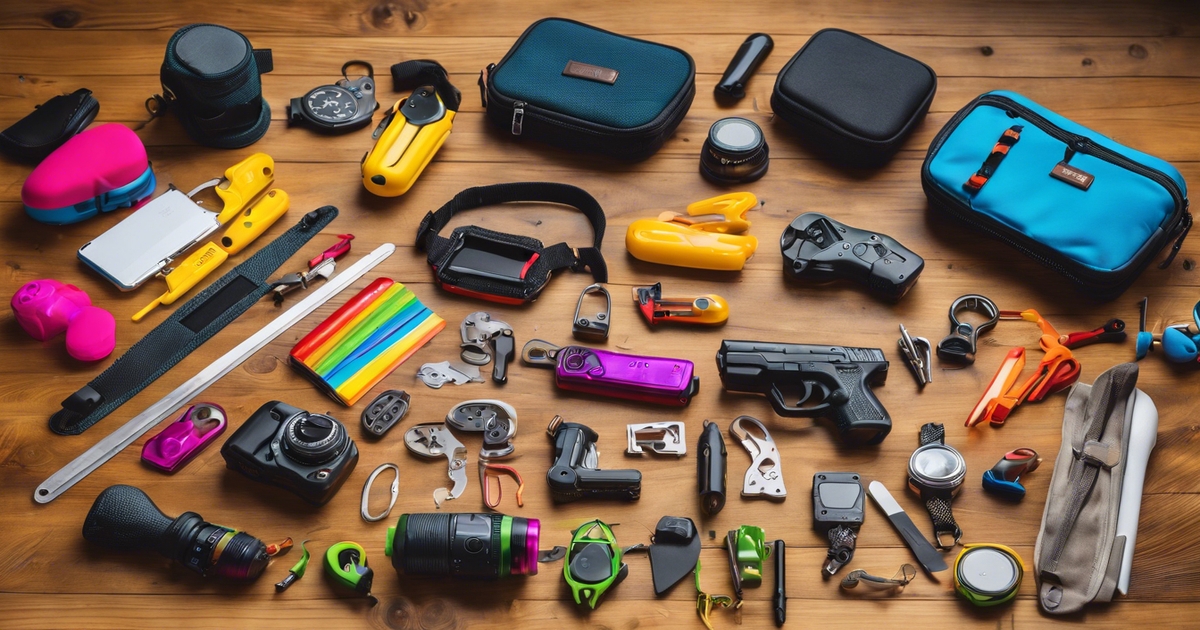
EDC – Essential Tools for Everyday Carry Preparedness
Did you know that over 60% of firearm owners also carry additional EDC tools? This reveals a growing trend among enthusiasts who understand the importance of being prepared with weapon holsters, pliers, and holsters from WWII. Having the right gear can make all the difference in unexpected situations.
In this post, we’ll explore 32 essential additional EDC tools that complement your firearm. From multi-tools to tactical flashlights, these items enhance your readiness and boost your confidence. Each tool, like a weapon holster for former firearms, serves a unique purpose, ensuring you’re equipped for various scenarios with different holsters and caliber muh. Whether you’re heading out for a hike or just running errands, these tools can be lifesavers. Let’s dive into the must-have items every firearm owner should consider adding to their everyday carry kit.
Understanding Everyday Carry Basics
Definition of EDC
EDC stands for Everyday Carry. It refers to a collection of tools and items that people carry daily. These items are meant for preparedness. They help individuals handle unexpected situations. Common EDC items include knives, flashlights, and multitools. Firearms can also be part of this collection. Each item, including holsters, serves a purpose in enhancing safety and convenience.
Importance of Personal Safety
Personal safety plays a crucial role in EDC selection. People often face various risks in their daily lives. Having the right tools can make a significant difference. For instance, a compact flashlight with holsters can help during power outages or emergencies. A self-defense tool can provide peace of mind in unsafe areas. The choice of EDC items should reflect personal needs and environments.
Balancing Utility and Weight
Finding the right balance between utility, weight, and accessibility is vital in EDC choices. Each item, including holsters, should offer practical use without adding unnecessary bulk. Heavy tools may become burdensome over time. Lightweight alternatives can improve comfort while maintaining effectiveness.
For example, a small knife can serve multiple functions. It can cut, slice, or even assist in opening packages, and it comes with holsters. A heavier knife might not be as convenient to carry daily. Accessibility matters too. Tools should be easy to reach when needed quickly.
Practical Examples of EDC Items
Many people customize their EDC based on their lifestyles. Here are some common examples:
- Pocket Knife: Useful for everyday tasks like opening boxes.
- Flashlight: Essential for visibility in dark conditions.
- First Aid Kit: Important for treating minor injuries.
- Firearm: Provides personal protection if legal and necessary.
These examples showcase how different tools fit various needs.
Making Informed Decisions
Choosing the right EDC requires careful consideration. Evaluate your daily activities and potential risks. This assessment helps identify which tools, including holsters, will be most beneficial. Test out different items to see what works best for you.
Remember, the goal is to create an effective EDC setup with holsters tailored to your lifestyle. This setup should enhance your ability to respond to challenges while remaining comfortable to carry.
Choosing the Right Firearm for EDC
Size Matters
Size plays a crucial role in selecting an everyday carry (EDC) firearm. Compact guns are often easier to conceal. They fit better in a weapon holster and are less noticeable. A smaller firearm can be carried comfortably throughout the day. Many gun owners prefer subcompact or compact models for this reason, especially for use with holsters.
Weight is another important factor. Heavier firearms can be uncomfortable over long periods. Lightweight options allow for easier handling and reduce fatigue. Consider how the weight of the gun and holsters affects your daily activities. Finding a balance between size and weight is key.
Personal Comfort
Personal comfort with a firearm cannot be overlooked. Each individual has different preferences when it comes to grip size, trigger pull, overall feel, and holsters. Choosing a gun that feels right in your hand increases confidence when carrying.
Proficiency with the firearm also matters. Regular practice improves accuracy and familiarity. Understanding how your chosen gun operates enhances safety as well. Attend local gun shows to try various firearms and holsters before making a decision.
Legal Requirements
Legal requirements vary by location. Familiarize yourself with the laws regarding carrying firearms and holsters in your area. Some states have strict regulations on concealed carry permits. Others may impose restrictions on certain types of firearms.
Research the specific caliber and holsters allowed in your region as well. For example, some areas may limit you to specific calibers like .380 or 9mm for concealed carry. Knowing these laws helps avoid legal issues later.
Evaluating Options
When evaluating firearms, consider several factors:
- Concealability: Can the firearm be easily hidden?
- Comfort: Does it feel good in your hand?
- Weight: Is it manageable for daily use?
- Legal Restrictions: What does your local law say?
These factors help narrow down choices effectively.
Popular Choices
Many gun owners favor certain models for EDC due to their reliability and ease of use. Some popular options include:
- Glock 19
- Smith & Wesson M&P Shield
- Sig Sauer P365
These firearms are known for their balance of size, weight, and performance.
Essential EDC Tools Beyond Firearms
Knife Blade
A knife blade is a crucial tool for everyday carry (EDC). It serves many purposes, from cutting rope to opening packages. Carrying a reliable knife enhances your preparedness. Many options exist, including folding knives and fixed blades. Each has its own advantages. Folding knives are compact and easy to carry. Fixed blades offer strength and durability.
Using a knife can be beneficial in emergencies. It can help with tasks like first aid or survival situations. A good quality knife often features materials that resist corrosion and wear. Brands like Benchmade and Spyderco provide excellent choices. Their products often have ergonomic designs for comfortable use.
Multitools
Multitools add versatility to your EDC setup. They combine several tools into one compact device. Most multitools include pliers, screwdrivers, and scissors. Some even feature a knife blade as part of the design. This multifunctionality makes them valuable in various situations.
Carrying a multitool means you’re prepared for minor repairs or adjustments. You can fix gear or perform small tasks without needing multiple items. Popular brands like Leatherman and Gerber produce high-quality multitools. They offer different models to suit various needs.
Flashlights
A flashlight is essential for visibility in low-light conditions. It can illuminate dark areas during emergencies or outdoor activities. Compact LED flashlights provide bright light while being lightweight. Many models also offer adjustable brightness levels.
Having a flashlight handy increases safety during nighttime outings. It helps signal for assistance if needed. Some flashlights come with additional features like strobe modes for self-defense. Brands such as Fenix and SureFire are known for their reliability and performance.
Communication Devices
Reliable communication is vital in any situation. A smartphone serves as an effective communication device. It allows you to call for help or navigate unfamiliar areas. Many smartphones also have emergency features, such as location sharing.
Keeping your phone charged is important for readiness. Consider carrying a portable charger to ensure it stays powered throughout the day. This way, you can maintain contact with others when needed.
First Aid Kit
A compact first aid kit should be part of your EDC tools. It prepares you for treating minor injuries on the go. Kits typically include band-aids, antiseptic wipes, and gauze pads. Having these supplies can make a difference in emergencies.
You can customize your first aid kit based on personal needs or activities planned for the day. Including items like pain relievers or allergy medication may be helpful too.
Integrating Multi-Tools for Versatility
Multifunctionality
Multi-tools offer great versatility. The 37-in-1 gun multi-tool stands out among them. This tool combines many functions, making it ideal for various tasks. It includes pliers, wrenches, scrapers, and adjusters all in one device.
Carrying a single tool that can perform multiple jobs simplifies your gear. Instead of lugging around several separate tools, you can rely on one compact option. This saves space and weight in your pack. For those who hunt or need to maintain their firearms, such a tool is invaluable.
Practical Benefits
Having tools like wrenches and scrapers in one device provides numerous advantages. These tools help with quick adjustments and repairs on the spot. For example, if a scope needs tightening during a hunt, a wrench feature allows for immediate action.
Scrapers can clean debris from firearm components effectively. This ensures optimal performance when it matters most. The integration of these tools into one device enhances efficiency.
Material Durability
Choosing multi-tools made of durable materials is essential. High-quality steel or titanium options resist wear and tear over time. These materials withstand harsh conditions, ensuring longevity.
Consider storage options as well. Some multi-tools come with sheaths or cases for easy carrying. Others might have built-in clips or carabineers for attachment to belts or packs. This convenience makes accessing your tools much easier.
Tactical Considerations
Tactics instructors often recommend specific multi-tools for their reliability and functionality. Tools like the Leatherman Kick are popular among professionals. They provide essential features while maintaining a lightweight design.
These tactical choices cater to diverse needs, from hunting to everyday carry (EDC). The right tool can make a significant difference when quick decisions are required.
Importance of Reliable Flashlights
Low-Light Situations
A dependable flashlight is essential for low-light situations. Whether during a camping trip or an emergency, visibility matters. Darkness can hide dangers and obstacles. A reliable light source helps navigate safely. It also aids in identifying threats quickly.
Recommended Features
Consider flashlights with LED bulbs. They provide bright light and consume less power. Adjustable brightness settings are useful too. Users can switch from a bright beam to a softer light as needed. Long battery life is another vital feature. A flashlight that lasts through extended use ensures readiness when required.
Size and Weight
The size and weight of a flashlight greatly affect its usability. Compact models fit easily in pockets or bags. Lightweight designs make carrying simple. Quick access to a flashlight can be crucial in emergencies.
Practical Examples
Many outdoor enthusiasts carry compact flashlights. Models like the Fenix PD35 are popular among hikers for their durability and brightness. The Streamlight MicroStream is another excellent choice for everyday carry due to its small size and impressive output.
First Aid Kits for Emergencies
Basic Supplies
Basic medical supplies are essential in any emergency situation. Items like bandages, antiseptics, and gauze can help treat injuries quickly. A well-stocked first aid kit can make a significant difference in critical moments. For instance, during the world wars, soldiers often faced injuries that required immediate care. Having basic supplies on hand allowed them to manage wounds before reaching a medical facility.
Personal Customization
Personal needs and skills should guide the customization of your first aid kit. Everyone’s situation is different. Some may require extra supplies for specific conditions, such as allergies or chronic illnesses. Others may have skills in advanced first aid techniques. Tailoring your kit ensures you have what you need when it matters most. Consider adding items like splints if you know how to use them.
Compact Organization
Compact and organized kits are vital for easy storage and retrieval. A cluttered kit can waste precious time during emergencies. Choose a bag or container that fits your lifestyle. Many options are available, from small pouches to larger backpacks. Look for compartments to keep items sorted. This organization helps locate supplies quickly, especially under stress.
Spare Mag Consideration
Including a spare mag in your first aid kit is also worth considering. While it’s primarily a firearm accessory, it relates to preparedness in emergencies. If you depend on firearms for protection, having a spare magazine can provide peace of mind. In high-stress situations, every second counts. Knowing you have an extra mag ready can help maintain focus on safety and health.
Review and Update
Regularly reviewing and updating your first aid kit is crucial. Supplies can expire or become damaged over time. Check items at least once a year to ensure everything is usable. Replace expired medications and restock items used in previous emergencies. Keeping your kit current enhances its effectiveness when needed.
Training Importance
Training plays a crucial role in using your first aid kit effectively. Understanding how to apply bandages or use antiseptics makes a big difference in emergencies. Consider taking a first aid course to boost your confidence and skills. Many organizations offer classes that cover essential techniques and knowledge.
Organizing and Storing Your EDC Gear
Dedicated Bags
Using dedicated EDC bags or pouches helps keep gear organized. These bags come in various sizes and styles. They allow easy access to essential items like holsters and tools. A well-structured bag can prevent clutter. It also ensures that every item has a place. This organization saves time during emergencies.
EDC bags are designed with multiple compartments. Each compartment can hold specific items. For example, one section can store a Leatherman sheath, while another holds first aid supplies. A bag with external pockets is beneficial too. It allows quick access to frequently used items.
Regular Maintenance
Regular maintenance of EDC items is crucial for reliability. Items like firearms need consistent checks for functionality. Inspect holsters for wear and tear regularly. Ensure they still provide proper retention and safety.
Tools like the Leatherman should be cleaned often. Dirt and grime can hinder performance. Check batteries in flashlights and other electronic devices as well. Regular maintenance prevents unexpected failures when you need them most.
Categorization
Categorizing your EDC gear improves accessibility. Group items based on frequency of use. Keep daily essentials at the top or in easy-to-reach spots. Store less-used items further back in the bag.
Create categories such as tools, medical supplies, and personal defense items. For instance, keep your ankle holster accessible but secure. Consider color-coding or labeling sections for quick identification. This method reduces search time during emergencies.
Ensuring Quick Access to Your Tools
Strategic Placement
Strategic placement of tools is essential for effective use in emergencies. EDC (Everyday Carry) items should be positioned for rapid deployment. For instance, keeping your tool bag within arm’s reach can save valuable seconds. A well-organized truck tool chest allows quick access when needed.
Consider storing simple hand tools in a way that makes them easy to grab. Use designated compartments in your tool chest. This organization helps avoid fumbling during critical moments. Practicing retrieval of these tools can enhance efficiency. Regular drills can improve muscle memory. You will know exactly where each item is located.
Holsters and Clips
Holsters, clips, and straps play a critical role in securing gear. A good holster keeps firearms accessible while ensuring safety. It prevents accidental discharge and protects the weapon from damage. Using a universal choke wrench, for example, can be quick and efficient with the right holster.
Clips can attach tools directly to clothing or bags. This method offers instant access without rummaging through a bag. Pliers clipped onto a belt loop are easily reachable when needed. Proper shot placement relies on having the right tools at hand quickly.
Practice Makes Perfect
Practicing with your tools enhances your readiness. Regularly using your EDC gear builds familiarity. Knowing how to retrieve and use each item under pressure is vital. Consider setting up scenarios that mimic real-life situations.
For example, practice accessing your pocket constitution or other important documents swiftly. Simulate an emergency where you need to retrieve tools quickly. This preparation can make a significant difference in high-stress moments.
Policy Awareness
Understanding local laws regarding EDC gear is crucial. Familiarize yourself with policies about carrying firearms and tools. Each state has different regulations that affect what you can carry and how you store it.
Awareness of these policies ensures compliance and safety. Being informed also allows you to educate others about responsible ownership of arms and necessary tools.
Closing Thoughts
Your EDC setup can make all the difference in daily situations. Understanding the basics of everyday carry, from firearms to essential tools, ensures you’re prepared for anything life throws your way. The right gear not only enhances your safety but also boosts your confidence.
Don’t settle for just any setup. Invest time in choosing quality tools that fit your lifestyle. Organize your gear for quick access and always be ready. Stay informed about the latest EDC trends and gear. It’s time to level up your everyday carry game. Start refining your setup today!
Frequently Asked Questions
What does EDC stand for?
EDC stands for “Everyday Carry.” It refers to the items you carry daily to enhance your preparedness and personal security.
Why should I include tools in my EDC?
Including tools in your EDC enhances versatility. They can assist in various situations, from minor repairs to emergency responses, improving your overall readiness.
What types of firearms are best for EDC?
Compact and lightweight firearms are ideal for EDC. Options like subcompact pistols offer concealability while maintaining effective stopping power.
How can multi-tools benefit my EDC setup?
Multi-tools combine several functions in one compact device. They save space and provide solutions for unexpected challenges, making them invaluable for everyday situations.
Why are reliable flashlights important in EDC?
Reliable flashlights improve visibility during emergencies or low-light situations. They enhance safety and allow you to navigate effectively when needed most.
Should I carry a first aid kit with my EDC gear?
Yes, carrying a first aid kit is crucial. It prepares you for medical emergencies, allowing you to respond quickly and potentially save lives.
How can I organize my EDC gear effectively?
Use pouches or organizers to keep your EDC gear accessible and tidy. This ensures quick access when you need it, enhancing your overall efficiency.


