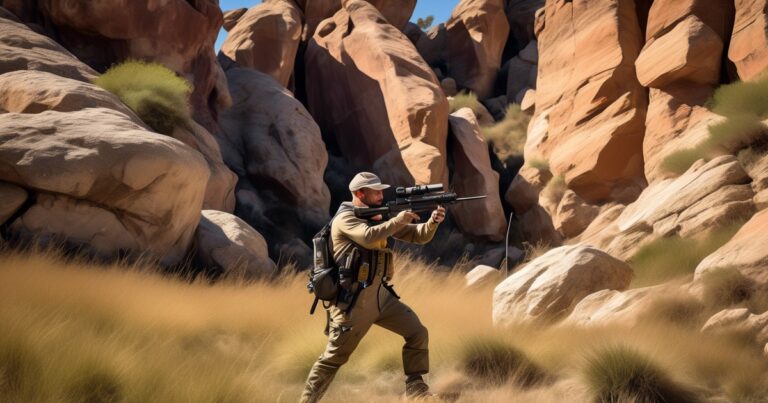
Firearm Transport Laws and Regulations in Virginia
Understanding local laws on transporting firearms while hunting is crucial for every outdoors enthusiast. Ignorance of the rules could lead to serious legal trouble. Each state has its own regulations, and they can vary widely. Knowing these laws helps ensure a safe and enjoyable hunting experience. It’s not just about following the law; it’s about being responsible and respectful in the field with an arrow and a crossbow.
This guide breaks down key aspects of firearm transport laws, so you can focus on what truly matters—hunting. Whether you’re a seasoned pro or a newbie, being informed will keep you out of hot water, just like choosing the right arrow or crossbow. Stay tuned as we dive into the specifics that every hunter should know.
Overview of Firearm Transport Laws
Shotgun Regulations
Transporting firearms for hunting comes with specific rules. Unplugged shotguns and crossbow can be transported legally when hunting nonmigratory game. This means hunters can carry their shotguns without a plug that limits the number of shells. However, the shotgun must meet certain criteria.
Shotguns need to have barrels that are at least 18 inches long. This requirement is crucial for legal compliance. Shorter barrels may classify the firearm or crossbow differently, which could lead to legal issues. Hunters must ensure their equipment meets this standard before heading out.
Hunting from Boats
Hunters often seek various methods to pursue game. One common method is hunting from a boat. Local laws allow for this practice, but there are conditions. Hunters need permission from landowners to hunt game birds and animals from a boat. This rule protects private property rights while allowing hunting opportunities.
Obtaining permission is essential. It ensures that hunters respect the land they are on. Failing to do so can result in penalties or loss of hunting privileges. Always check local regulations regarding land use before planning a hunt.
Transportation Guidelines
Transporting firearms safely is vital for all hunters. Specific guidelines help ensure safe practices while moving firearms to and from hunting locations. Firearms should be unloaded during transport. This rule applies to all types of firearms, including handguns and shotguns.
It’s best to store firearms in a locked case during transportation. This prevents unauthorized access and enhances safety. Keeping ammunition separate from the firearm also adds an extra layer of security.
Hunters should familiarize themselves with state-specific laws regarding firearm transportation. Some states have stricter regulations than others. Understanding these laws helps prevent legal issues while enjoying hunting activities.
Summary of Key Points
- Unplugged shotguns are allowed for transporting while hunting nonmigratory game.
- Barrels must measure at least 18 inches for legality.
- Landowner permission is needed to hunt from a boat.
- Firearms should always be unloaded during transport.
- Store firearms in locked cases and keep ammunition separate.
Definitions of Loaded Weapons
Loaded Firearms
A loaded weapon is any firearm that contains ammunition in its chamber or magazine. This means that one round is ready to be fired. For hunters, it is crucial to understand this definition. A loaded weapon poses a higher risk during transport and storage.
Unloaded Firearms
An unloaded firearm does not have ammunition in the chamber or magazine. Hunters must ensure that their guns are unloaded before transporting them. This practice helps prevent accidental discharges. Many states require firearms to be transported in an unloaded state, especially during hunting seasons.
Legal Implications
Carrying a loaded weapon while hunting has specific legal implications. In many states, it is illegal to transport a loaded firearm in a vehicle. Violating this law can lead to fines or even criminal charges. Each state has different regulations regarding what constitutes a loaded weapon and how it should be transported.
For example, in California, it is illegal to have a loaded firearm in a vehicle unless you are on your own property or at a shooting range. In contrast, Texas allows hunters to carry loaded firearms in their vehicles as long as they are traveling to or from a hunting site.
Hunting Scenarios
The implications of carrying a loaded weapon vary based on the hunting scenario. During active hunting, having a loaded firearm may be necessary for safety and efficiency. However, transporting firearms between locations requires caution.
In some areas, hunters must unload their weapons before entering certain zones, such as national parks. Failure to comply can result in penalties. Moreover, if hunters encounter law enforcement while transporting their firearms, they must clearly communicate whether the weapon is loaded or unloaded.
Safety Considerations
Hunters should prioritize safety when handling firearms. Knowing whether a weapon is loaded can prevent accidents and injuries. Training and education about firearm safety are essential for all hunters. They should familiarize themselves with local laws regarding the transport of firearms.
Understanding these definitions helps hunters stay compliant with laws while ensuring their safety and the safety of others.
Concealed and Open Carry Rules
Concealed Carry Regulations
Rules for concealed carry of firearms while hunting vary by state. Some states allow hunters to carry concealed weapons without a permit. Others require a valid state carry permit. For instance, in Texas, hunters can conceal carry if they have a License to Carry (LTC). This license allows them to carry in most public places, including hunting areas.
Certain states have restrictions on where firearms can be concealed. In California, for example, hunters must follow strict guidelines. They cannot carry concealed weapons in certain wildlife areas. It’s crucial to check local laws before heading out.
Hunters should also be aware of age restrictions related to concealed carry permits. Many states require applicants to be at least 21 years old. Some exceptions exist for military personnel or law enforcement officers.
Open Carry Rules
Open carry laws apply differently across the country. In many states, hunters can openly carry firearms during hunting trips. States like Arizona and Alaska do not require a permit for open carry. This means hunters can display their firearms without legal issues.
However, some regions have specific regulations on open carry. In Florida, for instance, open carry is generally prohibited except during hunting or fishing activities. Hunters must ensure they are following these laws to avoid penalties.
Local wildlife agencies may also have rules about carrying firearms openly while hunting. These rules often aim to ensure safety and prevent accidents in populated areas. It’s important to understand both state and local laws regarding open carry.
Permits Required
Permits play a significant role in carrying firearms while hunting. A state carry permit is often needed for concealed carry. This permit usually requires background checks and training courses.
For open carry, requirements vary significantly by state. Some states do not require any permit at all. Others may require registration or specific licenses for certain types of firearms.
Hunters should always verify the specific requirements in their state. This includes understanding what type of firearm is allowed and any limitations on magazine capacity.
In summary, understanding the laws around concealed and open carry is essential for hunters. Compliance ensures safety and legality during hunting activities. Always consult local regulations before heading out with a firearm.
Local Firearms Regulations
Local Ordinances
Local firearms laws can vary greatly from one area to another. Each state has its own regulations, and even cities may impose additional restrictions. It is crucial for hunters to consult local ordinances before heading out. Some areas may have specific rules about carrying loaded firearms or transporting operational firearms.
Hunters should also check if they need a valid firearm license to hunt in their locality. Certain regions require special permits for recreational firearm use. This includes handgun permits or a pistol license for handguns used during hunting.
Common Prohibitions
Many common local prohibitions can affect hunters significantly. Some areas ban the use of loaded firearms in certain zones, such as near schools or residential areas. Others might restrict hunting during specific seasons or require hunters to use only certain types of firearms.
Hunters must be aware that some states do not allow loaded handguns while hunting unless they are specifically licensed federal firearms licensees. Hunters should know if their local laws permit carrying accessible handguns while in the field.
Staying Informed
Staying informed about changes in local firearm laws is essential for all hunters. Laws can change frequently due to new legislation or local government decisions. Joining local hunting groups can provide valuable insight into any recent updates.
Online resources also offer current information on applicable firearm licenses and regulations. Websites dedicated to hunting and firearms often have sections that discuss local laws. Regularly checking these sites helps ensure compliance with the Firearm Owners Protection Act and other relevant legislation.
Attending community meetings can also help hunters stay updated on local firearms rules. Engaging with law enforcement agencies provides direct access to accurate information regarding any restrictions or changes in the law.
Legal Use of Hunting Weapons
Hunting Guns
Muzzleloading rifles and shotguns are common during hunting seasons. These firearms are legal under state regulations. Hunters must possess a valid hunting license to use these weapons. Each state has specific rules regarding the type of hunting guns allowed. Some states may limit the caliber or gauge of the shotgun used.
Hunters should check their local laws before heading out. For example, certain areas may restrict the use of specific types of ammunition. Understanding these laws helps ensure compliance and promotes safe hunting practices.
Archery Tackle
Archery tackle, including bows and crossbows, is also permitted for hunting. States have different regulations on the use of archery equipment. Generally, hunters need a valid state hunting license to use these tools. Some states allow crossbows during all hunting seasons, while others restrict their use to specific times.
Disabled persons may use arrowguns or airbows with proper authorization. This process typically involves obtaining a special permit. The requirements vary by state, so it’s essential to consult local wildlife authorities.
Prohibited Weapons
Slingbows are prohibited for hunting certain game, such as bear or elk. Regulations often specify which weapons can be used for specific types of game. Hunters must adhere to these rules to avoid fines or penalties.
Using illegal weapons can lead to serious consequences. Violating hunting laws not only affects the individual but can also impact wildlife populations and conservation efforts.
Compliance and Safety
Compliance with local laws ensures a safe and enjoyable hunting experience. Hunters must stay informed about changing regulations. Many states offer resources online for understanding current laws on hunting weapons.
Safety should always be a priority when using any weapon while hunting. Proper training and handling techniques are essential for preventing accidents in the field.
In summary, understanding the legal use of hunting weapons is crucial for all hunters. They must familiarize themselves with local regulations regarding hunting guns and archery tackle. Obtaining the necessary licenses and permits is vital for compliance. By following these guidelines, hunters contribute to responsible wildlife management and conservation efforts.
Muzzleloading Firearms Guidelines
Requirements
Muzzleloading rifles must meet specific requirements. Most states require a minimum caliber of .45 for deer hunting. This ensures enough power to take down the animal effectively. Some areas may allow smaller calibers for certain game, but it’s crucial to check local regulations.
The loading method for muzzleloaders is also important. Hunters must load their firearms from the front end of the barrel. This means using loose powder and projectile combinations. Many hunters prefer using pre-packaged bullets for convenience. However, always verify that these comply with state laws.
Muzzleloading Shotguns
Muzzleloading shotguns are allowed during designated hunting seasons in many regions. These shotguns can be effective for bird hunting or small game. They typically use shotshells loaded from the muzzle, similar to traditional rifles.
e states specify which types of shot are permissible when hunting birds. Lead shot may be banned in certain areas due to environmental concerns. Non-toxic alternatives, like steel or bismuth, might be required instead. Always consult local guidelines before heading out.
Additional Resources
Finding detailed information on local laws can be challenging. State wildlife agencies often provide resources for hunters. Websites usually list specific regulations regarding muzzleloading firearms.
Hunters can also contact local game wardens for clarification on rules. They can offer insight into what is allowed in your area. Hunting organizations often publish guides that summarize these laws.
For example, if you plan to hunt deer with a muzzleloader in Pennsylvania, you should check the Pennsylvania Game Commission’s website. They provide updated regulations on permitted calibers and loading methods.
Checking local laws is essential before any hunting trip. Regulations can vary significantly between states and even within regions in the same state.
Understanding these muzzleloading firearm guidelines helps ensure a safe and legal hunting experience.
Shotguns and Ammunition Restrictions
Gauge Limitations
Shotgun gauge limitations are common in hunting laws. Many states restrict hunters to specific gauges for certain game. The most common limitation is on shotguns with a 12-gauge or smaller. Some areas allow 20-gauge shotguns for small game hunting. It’s important to check state regulations before heading out. Using the wrong gauge can lead to fines or loss of hunting privileges.
Rifled Barrels Legality
The legality of using rifled barrels varies by location. In areas where slugs are permitted, rifled barrels are often allowed. These barrels improve accuracy when firing slugs. However, some states impose restrictions on rifled firearms. Hunters must verify local laws regarding the use of these firearms. Not adhering to these rules may result in penalties.
Ammunition Restrictions
Ammunition restrictions apply to specific types of game as well. For instance, some states prohibit using lead shot for waterfowl hunting. This rule protects the environment and wildlife health. Non-toxic shot, like steel or bismuth, is often required instead. Hunters may face restrictions on the type of bullets used for big game hunting. Certain types of expanding bullets may be banned in some regions.
Possession Laws
Possession laws also play a crucial role in transporting firearms while hunting. States typically require permits for carrying loaded rifles or handguns in public spaces. Some jurisdictions mandate that firearms be transported unloaded and in a case. This ensures safety while traveling to hunting locations. Hunters should always carry their permits when transporting firearms.
Restricted Firearms
Certain firearms are categorized as restricted in many states. These include fully automatic weapons and short-barreled rifles. Hunters should familiarize themselves with state firearms restrictions before purchasing or using such guns. Violating these laws can lead to severe penalties, including fines and imprisonment.
Arrow and Bolt Usage
In addition to shotguns, arrows and bolts are also regulated during hunting seasons. Specific regulations govern the use of crossbows and compound bows in different regions. Some states require special permits for bowhunting during certain seasons. Understanding these requirements is essential for compliance.
Centerfire Rifles and Pistols Rules
General Regulations
Local laws on transporting firearms while hunting vary by state. Most states allow hunters to use centerfire rifles and pistols for big game hunting. Firearms must be unloaded during transportation unless specified otherwise. Some states require firearms to be in a case or secured in the trunk of a vehicle.
Hunters should check specific state regulations before heading out. For instance, California mandates that rifles must be carried in a locked container when not in use. This ensures safety and compliance with the law.
.22 Caliber Usage
The use of .22 caliber rifles or pistols is often limited to small game hunting. Many states restrict their use for larger animals like deer or elk. However, some jurisdictions might permit .22 caliber firearms for hunting specific animals under certain conditions.
For example, in Texas, hunters can use .22 caliber firearms for varmint control. This includes animals such as rabbits and squirrels. It’s crucial to verify local laws regarding this usage. Regulations can change, and hunters need to stay informed.
Public Waters Restrictions
Restrictions exist for using centerfire weapons over public waters. Many states prohibit the discharge of centerfire rifles and pistols near lakes or rivers. This rule aims to protect wildlife and prevent accidents.
In Florida, for instance, shooting from boats is regulated heavily. Hunters must ensure they are at least 100 yards away from any occupied building when discharging a firearm. Such regulations help maintain safety while hunting near water bodies.
e areas may also have designated zones where centerfire weapons can’t be used at all. These zones aim to preserve ecosystems and reduce noise pollution. Always check with local authorities before hunting in these regions.
Summary of Key Points
- Always transport firearms unloaded.
- Check if firearms need to be secured in cases.
- Confirm if using .22 caliber firearms is legal for your target species.
- Be aware of restrictions on discharging firearms over public waters.
Unlawful Weapon Activities
Transport Violations
Transporting firearms while hunting involves specific rules. Hunters must know what is considered unlawful. For instance, transporting an assault firearm in a manner that violates state regulations can lead to serious consequences. Many states require firearms to be unloaded during transport. Failure to comply can result in legal action.
Hunters should also avoid carrying loaded handguns in their vehicles. An unloaded handgun must be stored properly. This means it should be in a case or secured in a compartment. Not following these guidelines can lead to fines or even arrest.
Legal Penalties
Penalties for violating firearm transport laws vary by state. Some states impose heavy fines, while others may result in jail time. For example, transporting an unloaded firearm improperly could lead to a misdemeanor charge. Repeat offenders may face harsher penalties, including felony charges.
In some areas, the law mandates mandatory minimum sentences for certain violations. These can include community service or mandatory firearm safety courses. Understanding local laws is essential to avoid these penalties.
Examples of Unlawful Actions
Certain actions can lead to legal repercussions for hunters. Carrying a loaded weapon while driving is one such action. Even if the hunter has a permit, this can still be illegal in many jurisdictions.
Another example includes failing to secure firearms when not in use. Leaving an unloaded handgun visible inside a vehicle can attract unwanted attention and potential theft. It may also lead to charges if discovered by law enforcement.
Transporting firearms across state lines presents additional risks. Different states have different laws regarding firearm transport. A hunter may legally carry an unloaded firearm in one state but face charges in another.
Hunters should also be cautious about how they display their weapons during transit. Openly displaying an assault firearm can alarm the public and draw police attention. This could result in being stopped and questioned by law enforcement.
Understanding local laws helps prevent unlawful weapon activities while hunting. Hunters should familiarize themselves with the regulations of every state they plan to visit. Ignorance of the law is not a valid defense if caught violating firearm transport rules.
Frequently Asked Questions
What are the general laws for transporting firearms while hunting?
Transporting firearms while hunting varies by state. Generally, firearms should be unloaded and stored in a case. Always check local regulations for specific requirements.
Are there restrictions on loaded firearms during transport?
Yes, many states prohibit transporting loaded firearms. It’s crucial to ensure that your weapon is unloaded and properly secured before transport to comply with local laws.
Can I carry a concealed firearm while hunting?
Concealed carry laws differ by state. Some allow it while hunting, others do not. Verify your state’s regulations regarding concealed weapons before heading out.
What are the rules for transporting muzzleloading firearms?
Muzzleloading firearms often have specific transport rules. Typically, they must be unloaded and carried in a case. Check local laws for any unique requirements.
Are there limitations on shotgun and ammunition transport?
Yes, some states impose restrictions on the type of shotguns and ammunition you can transport. Always confirm local regulations to avoid violations.
How do centerfire rifles and pistols regulations vary?
Centerfire rifle and pistol regulations depend on your location. Some areas require them to be transported unloaded, while others may have additional restrictions. Always consult local laws.
What activities are considered unlawful when transporting firearms?
Unlawful activities include transporting loaded firearms in vehicles, carrying without a permit, or using firearms in prohibited areas. Familiarize yourself with local laws to stay compliant.