
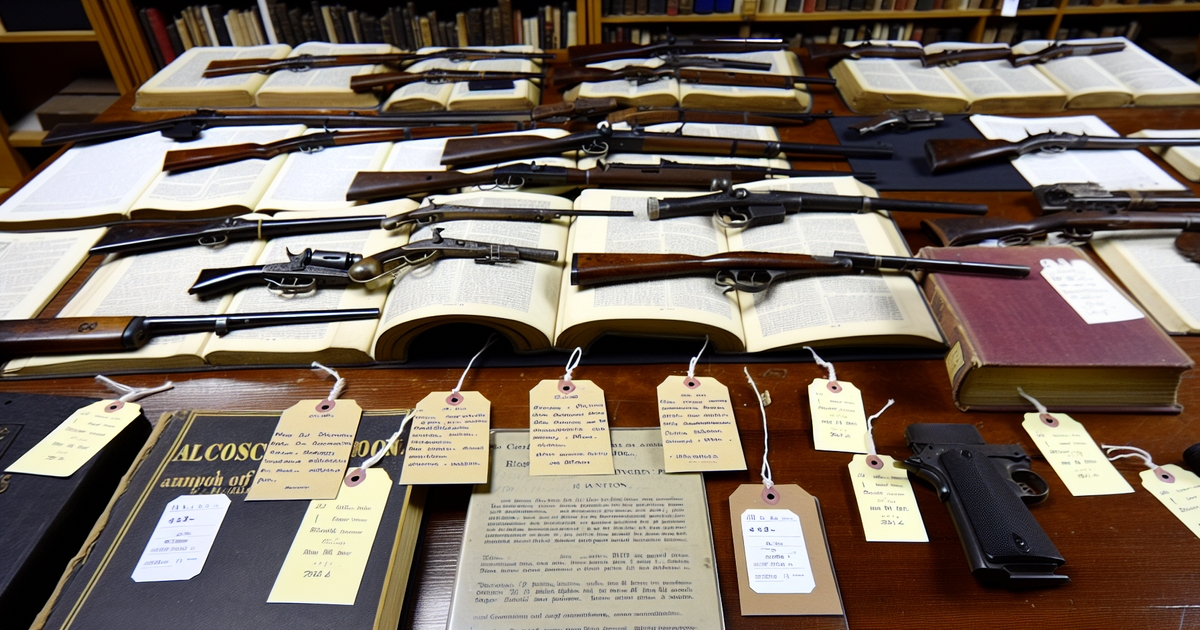
Gun Collecting: Exploring Types, Legalities & Value
Did you know that over 30% of American households have at least one firearm? Despite this, gun collecting remains a relatively unexplored hobby. In today’s fast-paced world, where digital trends dominate leisure pursuits, the art of gun collecting is often overlooked. However, delving into this niche reveals a captivating blend of history, craftsmanship, and technological evolution. From antique muskets to modern precision rifles, machine guns and handgun, each piece holds a unique story waiting to be unraveled.
Gun collecting isn’t just about amassing rifles, pistols, and machine guns; it’s an immersive journey through time and culture. This blog post will explore the allure of gun collecting—its historical significance, the thrill of discovering rare pieces, and tips for beginners looking to embark on this fascinating pursuit.
Key Takeaways
-
Diversify Your Collection: Explore different types of gun collecting, such as historical firearms, antique and vintage pieces, military surplus, rifles, pistols, and custom engraved guns to build a diverse and interesting collection.
-
Know the Laws: Understand the legal considerations involved in collecting guns to ensure compliance with regulations and to avoid any legal issues.
-
Preserve Historical Significance: Recognize the value of historical firearms in conflicts and prioritize their preservation and documentation as part of your collection.
-
Prioritize Maintenance and Storage: Practice best maintenance and care for collectible firearms, and implement best practices for storing your gun collection to ensure their longevity and value.
-
Seek Unique Pieces: Acquire rare and unique firearms to add depth and rarity to your collection, making it more valuable and interesting.
-
Appreciate the Artistry: Consider custom engraved guns as collector’s pieces, appreciating the artistry and craftsmanship that goes into creating these unique firearms.
Exploring Different Types of Gun Collecting
Understanding the Appeal
Gun collecting appeals to individuals for various reasons. Some are drawn to the historical significance of firearms, while others find joy in the mechanics and craftsmanship. The thrill of hunting for rare pieces or discovering unique gun collections also adds excitement.
For many, gun collecting is a way to connect with history and preserve artifacts that hold cultural value. It provides an opportunity to delve into different eras, from antique muskets to modern rifles. Being part of a community where enthusiasts, gun owners, share knowledge and passion enhances the appeal.
Diversity of Interests
The diversity within gun collecting interests is vast. Some collectors focus on specific firearm models such as revolvers, pistols, or rifles. Others may specialize in military weapons from different periods or seek out ornately decorated guns as art pieces.
Furthermore, there are those who concentrate on acquiring guns associated with significant events or famous figures in history. For example, some collectors aim to obtain firearms linked to World War II battles or once owned by iconic personalities like Wild West legends.
Types of Firearms Sought
Collectors seek a wide range of firearms based on their preferences and areas of interest. Antique gun enthusiasts might search for flintlock pistols from the 18th century while contemporary firearm aficionados pursue state-of-the-art handguns or precision rifles used in competitive shooting.
Moreover, some collectors prioritize obtaining rare prototypes and experimental models that never went into mass production due to their uniqueness and scarcity. Others might be interested in acquiring commemorative editions released by manufacturers honoring special occasions like anniversaries or historical milestones.
Legal Considerations in Building a Gun Collection
Complying with Regulations
It’s crucial to adhere to both federal and state laws. This means understanding the legal requirements for owning collectible firearms and navigating the complexities of firearm collection laws. To ensure compliance, collectors must stay informed about any changes or updates to these regulations.
In the United States, gun collectors need to be aware of the National Firearms Act (NFA) and its provisions regarding certain types of firearms such as machine guns, short-barreled rifles, and suppressors. There are specific rules concerning interstate transfers and sales of firearms that must be followed. Failure to comply with these regulations can result in severe legal consequences.
Understanding state-specific laws is equally important since some states have additional restrictions on certain types of firearms or ammunition. For instance, some states may impose limitations on magazine capacities or require background checks for private sales. By staying informed about both federal and state regulations, collectors can avoid unintentional violations.
Navigating Complexity
Navigating the complexities of firearm collection rules involves being well-versed in various legal aspects such as background checks, licensing requirements for dealers or manufacturers, storage regulations for firearms at home or during transportation, and restrictions related to particular categories of weapons.
For example:
- The Firearm Owners Protection Act (FOPA) outlines guidelines for transporting firearms across state lines.
- The Gun Control Act regulates who can engage in the business of dealing in firearms.
- Some local jurisdictions may have zoning ordinances that impact where a collector can display their collection within their own home.
Given this intricate landscape of laws governing gun collecting activities, individuals interested in building a gun collection should seek legal advice from professionals specializing in firearm-related matters if they are uncertain about any aspect related to compliance with applicable regulations.
The Value of Historical Firearms in Conflicts
Impact of Historical Firearms
Historical firearms hold immense value in providing insights into the evolution of warfare. Understanding their impact on conflicts is crucial to appreciating their historical significance. For instance, examining World War II firearms reveals how technological advancements transformed battle strategies and tactics.
The influence of historical firearms extends beyond individual battles; it encompasses broader military history. By studying these weapons, we gain a deeper understanding of how they shaped warfare over time. The values associated with specific firearms can shed light on the tactical decisions made during significant conflicts, such as World War I or the Vietnam War.
Exploring this impact allows collectors to appreciate not only the physical attributes but also the strategic implications of each firearm within its historical context. This insight enhances one’s appreciation for these artifacts and their role in shaping military history.
Shaping Military History
The study of historical firearms offers a unique perspective on how weaponry has influenced conflicts throughout history. For example, analyzing rifles used in various wars provides valuable insights into changes in combat techniques and military strategies over time.
By delving into these details, gun collectors can comprehend how different models were adapted or replaced based on battlefield experiences and changing global dynamics. Such knowledge enables enthusiasts to recognize how specific firearms have left indelible marks on pivotal moments in military history.
Furthermore, understanding the development and deployment of certain weapons allows individuals to grasp why particular arms became iconic symbols associated with defining eras or conflicts like World War II or the American Civil War.
Antique and Vintage Gun Collecting Essentials
Rarity and Historical Significance
Antique and vintage firearms hold a special place in the world of collecting. Their rarity and historical significance make them highly sought after by enthusiasts. For example, a Civil War-era handgun or a rifle used during the Old West era can be considered invaluable due to their connection to significant historical events.
Understanding the allure of these firearms is crucial for collectors. The unique craftsmanship, intricate designs, and the stories behind each piece add an irresistible charm to antique guns. Collectors often appreciate the artistry involved in creating these firearms, as well as their functional history.
Recognizing the value of antique guns involves thorough knowledge about different models, makes, and production years. For instance, understanding that certain features such as barrel length or specific markings can significantly impact an antique firearm’s value is essential for collectors. Being able to identify whether a gun is in its original condition or has been modified over time plays a critical role in determining its worth.
Preservation and Documentation
Preserving these historical artifacts is another key factor in antique gun collecting. Proper maintenance techniques are vital to prevent deterioration while ensuring that these pieces remain authentic over time. This includes storing them in controlled environments with regulated humidity levels to prevent rusting or corrosion.
Documentation also plays a crucial role in preserving the legacy of antique firearms. Creating detailed records including photographs, serial numbers, manufacturer details, and any historical documentation associated with each firearm helps maintain their provenance and authenticity.
In addition to physical preservation methods like proper storage conditions and regular maintenance routines—collectors often rely on comprehensive guides or reference books dedicated specifically to identifying various types of antique firearms.
Military Surplus Firearms for Collectors
Availability and Variety
Military surplus firearms offer collectors a wide range of options, from rifles to pistols. These firearms are often available through various channels such as local gun shows, auctions, or specialized online platforms. For instance, collectors may find diverse models like the M1 Garand, which was widely used by the United States military during World War II.
Collectible Firearms The appeal of military surplus firearms to gun collectors lies in their historical significance and unique features. For example, some enthusiasts may be drawn to modern firearms that were once utilized by armed forces around the world. The allure also stems from the rarity of certain weapons and their potential value as collector’s items.
Understanding Historical Context When delving into military surplus firearms, it’s crucial for collectors to recognize the historical context behind these weapons. Each firearm carries a piece of history related to its use in specific conflicts or periods of warfare. This adds depth and meaning to a collection beyond just acquiring physical objects.
For instance:
- A collector might have an interest in machine guns that were pivotal during major wars.
- Some individuals may focus on pistols used by different nations throughout history.
- Exploring rifles can provide insight into technological advancements and changing combat strategies over time.
Custom Engraved Guns as Collector’s Pieces
Craftsmanship and Artistry
Custom engraved guns are a testament to the incredible craftsmanship and artistry of skilled gunsmiths. Each detail, from intricate scrollwork to personalized inscriptions, showcases the talent and precision involved in creating these unique pieces. The process of engraving itself requires immense skill and attention to detail, making each custom firearm a work of art.
The level of detail that goes into custom engraving elevates these firearms from functional objects to pieces of fine art. For collectors, this means owning not just a weapon but also a visually stunning display of craftsmanship. Imagine owning a beautifully engraved long gun with detailed scenes or patterns that tell a story or pay homage to historical events.
Unique Appeal for Collectors
For collectors, the allure of custom engraved firearms lies in their exclusivity and individuality. Unlike mass-produced weapons, each custom piece is one-of-a-kind, making it highly sought after by enthusiasts who appreciate rarity and uniqueness. These firearms often serve as commemorative pieces for special occasions such as retirement, anniversaries, or achievements.
The appeal also extends to the historical significance behind certain engravings. For instance, some collectors may seek out custom engraved guns with ties to significant figures or events in history. This emotional connection adds an extra layer of appeal for those passionate about preserving history through tangible artifacts.
Personalized Nature
One remarkable aspect that draws people towards custom engraved guns is their personalized nature. Whether it’s adding initials, family crests, or meaningful quotes, these personal touches make the firearm more than just an object; they become heirlooms with sentimental value passed down through generations.
Moreover,** published** works often showcase exceptional examples where individuals commission customized engravings based on their specific preferences and interests – turning ordinary firearms into cherished possessions tailored uniquely to them.
Maintenance and Care for Collectible Firearms
Importance of Maintenance
Proper maintenance is crucial for preserving the value and functionality of collectible firearms. Regular maintenance helps prevent corrosion, rust, and other forms of damage that can occur over time. By keeping these firearms in good condition, gun owners ensure their longevity and quality.
Preserving the historical significance and aesthetic appeal of collectible firearms requires a deep understanding of best practices for maintenance. Knowledgeable staff at specialty shops or gunsmiths can provide valuable advice on how to care for these unique pieces properly.
Best Practices
To maintain the integrity of collectible firearms, it’s important to store them in a controlled environment with stable temperature and humidity levels. Using proper cleaning materials specifically designed for antique or collectible guns is essential to avoid damaging their surfaces.
Regular inspection is also key—this involves checking for any signs of wear or deterioration. For instance, wooden stocks may need conditioning to prevent drying out or cracking, while metal parts should be oiled regularly to inhibit corrosion.
Gun owners must understand that improper handling during maintenance could lead to irreversible damage. Therefore, seeking professional guidance from knowledgeable staff when unsure about specific cleaning methods is advisable.
Best Practices for Storing Your Gun Collection
Significance of Proper Storage
Proper storage of a gun collection is crucial to maintain the value and functionality of the firearms. Storing guns in an appropriate manner helps prevent damage, rust, or corrosion that can occur over time. It also ensures safety by keeping firearms out of reach from unauthorized individuals, especially children or intruders.
It’s important to recognize that investing in collectible firearms requires responsible ownership and care. Without proper storage, valuable pieces may lose their worth due to damage or deterioration. For example, storing a gun without a suitable holster could lead to scratches or other forms of physical damage.
Secure and Safe Storage Options
There are various options available for safe and secure storage of gun collections. One common method is using locking cabinets or safes specifically designed for firearm storage. These provide protection against theft while also safeguarding the guns from environmental factors like humidity.
Another option is utilizing trigger locks or cable locks as added security measures when storing individual firearms. This prevents unauthorized use by effectively immobilizing the firearm until the lock is removed.
In addition to these options, some collectors opt for display cases with built-in locking mechanisms which allow them to showcase their collection while ensuring it remains inaccessible to unauthorized individuals.
Essential Storage Practices
When considering essential storage practices for protecting firearm investments, it’s vital to store guns unloaded and separate from ammunition. This reduces the risk of accidental discharge and keeps ammunition out of reach from potential misuse.
Furthermore, regular maintenance such as cleaning and lubricating each firearm before storage helps prevent rust and corrosion caused by moisture buildup over time. Storing guns in a dry environment with controlled temperature levels further safeguards against these issues.
Periodic inspection of stored firearms ensures any signs of wear or potential problems are addressed promptly before they escalate into larger issues that could affect both value and functionality.
Acquiring Rare and Unique Firearms for Collection
Online Auctions
When collecting guns, online auctions are a treasure trove for acquiring rare and unique firearms. Websites like GunBroker, Rock Island Auction Company, and James D. Julia Inc. regularly feature one-of-a-kind pieces that can elevate any collection. These platforms often have a wide range of collectible firearms up for grabs, from antique muskets to modern-day rarities.
One strategy is to set up alerts for specific types of firearms or renowned manufacturers so you’ll be notified when new arrivals match your interests. Carefully examine the seller’s reputation and the condition of the firearm before placing a bid.
Specialty Stores
Specialty gun stores cater to collectors seeking rare additions to their inventory. These establishments often have connections with other enthusiasts and may offer insider information about upcoming sales or private collections available for purchase.
Visiting these stores allows you to physically inspect potential acquisitions, ensuring authenticity and quality firsthand. Moreover, engaging in conversations with knowledgeable staff members can provide valuable insights into current market trends and demand for certain types of collectible firearms.
Networking
Building a network within the gun collecting community is crucial for uncovering hidden gems. Attending gun shows, joining local clubs or organizations dedicated to firearm enthusiasts, and participating in shooting events are all excellent ways to connect with fellow collectors who may possess or know where unique pieces are available.
By actively engaging in these communities, you gain access to valuable information about potential leads on sought-after items that might not be publicly advertised elsewhere.
Researching Historical Significance
Understanding the historical significance of various firearms is essential when seeking rare additions for your collection. For instance, knowing which models were used during significant historical periods or by famous individuals can guide your search efforts.
Researching such details enables you to identify overlooked pieces with rich historical backgrounds that hold immense value beyond their physical appearance alone.
Rare and unique firearms hold an undeniable allure due to their scarcity and historical importance. The demand among many people who appreciate history fuels this appeal as they seek out exceptional pieces that tell compelling stories from different eras.
Closing Thoughts
Congratulations on reaching the end of our gun collecting journey! By now, you’ve gained valuable insights into the diverse world of firearm collection. Remember, collecting guns is not just a hobby; it’s a passion that requires responsibility and respect for the law. As you continue or embark on your gun collecting adventure, always prioritize safety, legality, and ethical practices. Whether you’re drawn to historical firearms, vintage pieces, or custom engravings, ensure that each addition to your collection aligns with your values and interests.
Now that you’re equipped with essential knowledge about legal considerations, maintenance, and acquiring rare firearms, it’s time to put your newfound expertise into action. Start curating your collection with confidence and responsibility. Share your passion with like-minded enthusiasts and always stay informed about the evolving laws and regulations surrounding gun collecting. Remember, as a responsible collector, you play a crucial role in preserving history and upholding the integrity of this unique hobby.
Frequently Asked Questions
Is gun collecting legal?
Yes, gun collecting is legal in most places, but it’s crucial to be aware of local laws and regulations. Always ensure that you comply with all necessary permits and background checks when acquiring firearms for your collection.
How should I store my gun collection?
Proper storage is essential to maintain the value and safety of your collection. Invest in a quality gun safe or cabinet to protect your firearms from theft, damage, and unauthorized access. Consider using dehumidifiers to control moisture levels.
Are antique firearms valuable for collectors?
Antique firearms hold significant historical and monetary value for collectors. Their rarity, historical significance, and craftsmanship make them highly sought after by enthusiasts. However, it’s important to authenticate their provenance before investing in such pieces.
What are the maintenance essentials for collectible firearms?
Regular cleaning and proper maintenance are critical for preserving the condition of collectible firearms. Use high-quality cleaning kits specifically designed for different types of guns to ensure they remain in optimal working condition while on display.
Where can I find rare and unique firearms for my collection?
Auctions, specialized dealers, trade shows, and online forums dedicated to firearm collecting are great places to discover rare pieces. Networking with other collectors can also provide valuable leads on where to find unique additions for your collection.


