
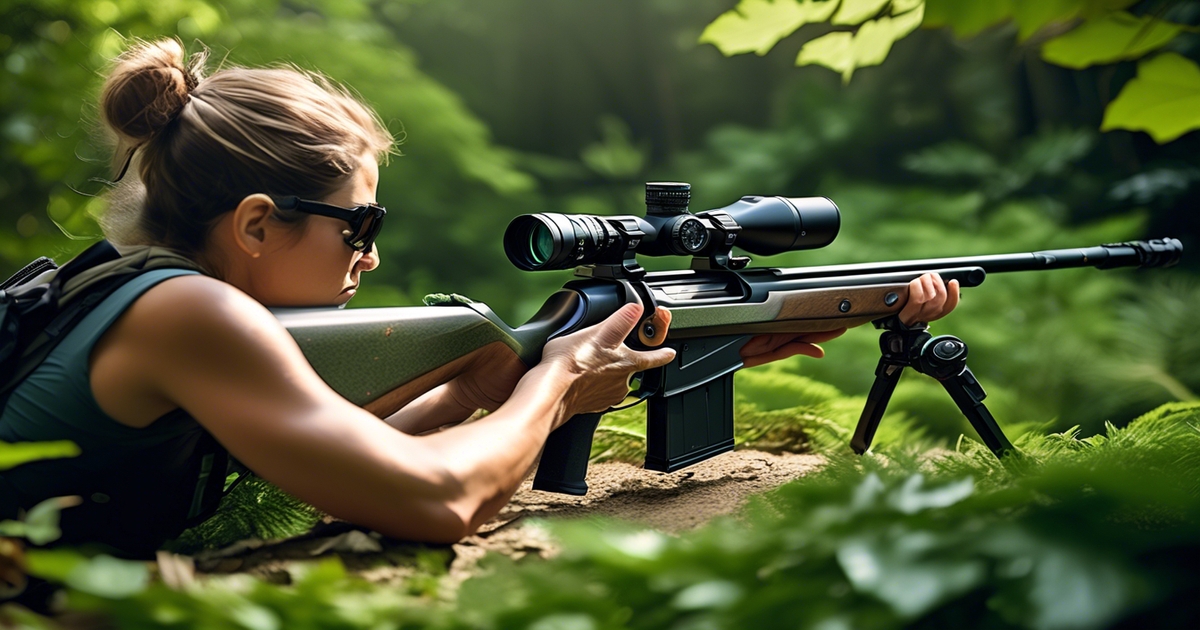
How to Properly Sight in Your Rifle for Accuracy
Sighting in a hunting rifle for long-range accuracy can feel daunting. Many hunters struggle with this crucial skill, while others excel effortlessly. Mastering the process with a perfect rifle is essential for hitting your target consistently at the rifle range.
Understanding the basics of scope adjustments and bullet drop makes all the difference. It’s not just about aiming with a military target sight; it’s about precision and confidence in your shot. This guide will walk you through effective techniques and tips to ensure your rifle is perfectly sighted in. By following these steps, you’ll boost your accuracy and enhance your overall hunting experience. Get ready to take your skills to the next level.
Understand the Basics
Scope Alignment
Folks must align their rifle’s scope with the barrel. This alignment is crucial for accurate shooting. If the scope is not set correctly, shots may land far from the target. Aim to have the crosshairs centered on your point of aim.
Adjustments can be made using turret clicks. Each click typically moves the point of impact by ¼ inch at 100 yards. Understanding this helps in making precise adjustments.
MOA Explained
Many people hear about MOA, or minute of angle, but few understand it. One MOA equals about 1.047 inches at 100 yards. For practical purposes, it’s often rounded to one inch.
This measurement helps in adjusting your scope accurately. For instance, if your group lands 3 inches low at 100 yards, you need to adjust up by three MOA. This knowledge aids in improving long-range accuracy.
Consistent Ammunition
Using consistent ammunition is key for reliable sighting results. Different brands and types of ammo can affect performance. Even slight variations can lead to different impacts on target.
Groups formed by shots should be tight and consistent. Folks should test various ammunition types to find what works best with their rifle. Tracking these results helps identify which ammo produces the best groups.
Practice Sessions
Regular practice sessions are essential for mastering long-range shooting. People should spend time at the range focusing on sight adjustments and shot placement.
Each session allows shooters to see how changes affect performance. Keeping a log of these sessions can help track progress over time.
Video Tutorials
Watching video tutorials can also enhance understanding. Many experts share tips on proper sighting techniques online. These videos often show practical demonstrations that clarify complex concepts.
Viewing these resources can provide visual learners with valuable insights into effective practices.
Grouping Shots
Achieving tight groups is vital in confirming sighting accuracy. Average group sizes will vary based on experience and equipment quality. Strive for groups within an inch at 100 yards as a benchmark for success.
Measuring group size helps assess whether adjustments are needed. A smaller group indicates better accuracy and improved sighting.
Prepare Your Equipment
Essential Tools
Gather essential tools before starting the sighting-in process. A laser bore-sighter is important for initial adjustments. This tool helps align your scope with the barrel of the rifle. It saves time and ammunition during the sighting-in phase.
You will also need quality ammunition. Choose rounds that match your rifle’s specifications. Using the correct ammo ensures better accuracy. A stable rifle rest is vital too. It keeps your rifle steady while you shoot. This stability improves your chances of hitting the target.
Clean and Maintain
Ensure your rifle is clean and well-maintained. A dirty barrel can affect bullet trajectory. Clean it using a cleaning rod, patches, and solvent. Pay attention to the chamber and action as well. Regular maintenance keeps your rifle in top condition.
Check the scope hardware too. Make sure all screws and mounts are tight. Loose components can lead to misalignment. Inspect the lenses for dirt or scratches. Clear lenses provide a better view of your target.
Safe Shooting Environment
Double-check that you have a safe shooting environment. Look for a location with a clear backstop. This prevents bullets from going astray and ensures safety for everyone nearby.
Establish a safe zone around your shooting area. No one should be in this zone while you are sighting in your rifle. Always follow local laws regarding shooting areas. Respect wildlife and other shooters by keeping noise levels down.
Sighting Process
Begin the sighting process after preparing everything. Start by using the laser bore-sighter to align your scope with the rifle’s barrel. This step reduces the number of shots needed to zero in on your target.
After aligning, fire a few shots at a target set at 25 yards. Adjust the scope according to where the bullets land. Most scopes have dials for elevation and windage adjustments. Turn these dials gently until you achieve alignment.
Once you’re satisfied with your 25-yard grouping, move back to 100 yards. Repeat the process, making further adjustments as necessary. Keep track of how many clicks you adjust the dials for future reference.
Final Checks
After completing the sighting-in process, perform final checks on your equipment. Ensure all tools are packed away safely. Verify that your rifle is unloaded before leaving the range.
Maintain an organized workspace during this process to avoid losing important items like tools or ammunition. Proper organization aids efficiency and enhances safety.
Establish a Solid Shooting Position
Comfortable Setup
A solid shooting position starts with the right setup. Choose a bench or table that allows you to sit comfortably. A stable shooting platform is crucial for accuracy. The height of the bench should match your shoulder level. This helps in aiming straight at the target.
Using a comfortable chair enhances your stability. Make sure it supports your back. A relaxed body leads to better focus on your shots.
Minimize Movement
Next, use sandbags or a rifle rest. These tools help reduce movement and improve accuracy. Place the rifle securely on the rest. This minimizes any shake from your hands.
Sandbags can be adjusted for height and support. They allow you to find the perfect angle for your shot. Proper support is essential for long-range accuracy.
Consistent Posture
Maintain a consistent shooting posture throughout your practice. Your stance should remain the same for every shot. This consistency helps in forming tighter shot groups over time.
Place your feet shoulder-width apart for balance. Lean slightly forward into the rifle but avoid straining your body. Keep your elbows down and relaxed on the bench or rest.
Engage with Your Environment
Familiarize yourself with local shooting ranges. Many offer benches designed specifically for long-range shooting. Take advantage of these facilities to practice your skills.
e ranges even provide specific areas for hunters to prepare their setups. Engaging in these environments can enhance your shooting skills significantly.
Practice Regularly
Regular practice is key to mastering your shooting position. Spend time at the range focusing on each component of your setup. Record how different positions affect your shots.
Experiment with various rests and techniques to find what works best for you. Understanding how to adjust based on conditions will improve your overall performance.
Focus on Accuracy
Pay attention to how small changes impact your shots. Even slight adjustments in posture can lead to better results. Use this knowledge when preparing for a hunt.
Nerdy precision shooters often analyze every detail of their setup. They understand that even minor factors can affect bullet trajectory.
Use Bore Sighting Techniques
Laser Bore-Sighter
A laser bore-sighter is a tool that helps align the scope reticle with the rifle barrel. This device projects a beam of light down the barrel. It shows where the rifle is aimed without firing any rounds.
To use it, insert the bore-sighter into the muzzle of the hunting rifle. Then, turn on the laser. Look through the scope to see where the dot lands on the target. Adjust the scope until the reticle aligns with the laser dot. This method saves time and ammunition.
Adjusting Scope
After using the bore-sighter, make adjustments to your scope. Bring the reticle close to the center of your target before live firing. Turn the windage and elevation knobs on your scope to make these adjustments.
Windage controls horizontal movement while elevation controls vertical movement. Each click typically moves the point of impact by 1/4 inch at 100 yards. Knowing this helps in making precise adjustments.
Confirm Alignment
Confirming bore sight alignment is crucial for accuracy. Visually check through the rifle barrel after adjusting the scope. Ensure that you can see your target clearly through both the barrel and scope.
If they don’t align, repeat the process with the bore-sighter. This step ensures that your hunting rifle will hit close to your intended target when you fire.
Live Fire Testing
Next, conduct a live fire test at a known distance, usually 100 yards. Set up a target with a clear bullseye for easy visibility. Aim at the center and take your first shot.
After firing, observe where the bullet strikes in relation to your aim point. If necessary, make further adjustments based on where you hit. Repeat this process until you achieve consistent shots within a small group around your desired point of impact.
Importance of Precision
Achieving long-range accuracy requires focus on precision techniques. A well-aligned scope enhances shooting performance significantly. Using tools like bore-sighters ensures that you’re not wasting time or bullets during practice sessions.
Understanding bullet trajectory is also important for long-range shooting. Factors such as wind and distance affect how bullets travel toward their target.
Implement the Two-Shot Method
Initial Shots
Fire two initial shots at your target. This step helps establish a baseline for scope adjustments. Ensure you are using the same ammunition and conditions for both shots. Consistency is key to accuracy.
After firing, observe where the bullets hit. These two shots will form a group on your target. The placement of this group indicates how well your rifle is zeroed. If both shots are close together, it shows that your rifle is consistent. If they are far apart, it may indicate issues with technique or equipment.
Analyze Shot Placement
Next, analyze the shot placement carefully. Look at the distance between the two shots on the target. This distance will help you understand how to adjust your scope.
If the shots are high or low, you will need to adjust the elevation turret on your scope. If they are left or right, adjust the windage turret accordingly. Take note of how much adjustment is needed. A common rule of thumb is that a quarter-inch adjustment at 100 yards equals one MOA (Minute of Angle).
Make Precise Adjustments
Make precise adjustments based on the average position of the two-shot group. Measure the distance from the center of your shot group to the center of your point of aim. Use this measurement to determine how many clicks you need to make.
For example, if your shots hit three inches high at 100 yards, you may need to lower your scope by several clicks. Each click usually represents a specific adjustment value depending on your scope’s specifications.
After making these adjustments, fire another two shots at the same target. This will allow you to see if further changes are necessary. Repeat this process until you achieve a tight grouping around your desired point of impact.
This method provides a clear way to sight in your rifle without excessive rounds fired. It also builds confidence in your shooting skills and equipment setup.
Avoid Common Mistakes
Consistent Ammunition
Using different types of ammunition can lead to inaccurate results. Each type of bullet behaves differently when fired. This can cause variations in trajectory and impact point. Stick to one brand and type during the sighting process. This ensures consistency and helps you understand how your rifle performs.
Scope Adjustments
Making large adjustments to your scope without checking shot groupings is a common error. After every adjustment, fire a few rounds to see where they land. This helps you understand the effect of your changes. Small adjustments are easier to manage. They allow for precise tuning of your sighting system.
Patience is Key
Rushing the sighting process can lead to mistakes. Take your time with each step. Ensure that you are making accurate adjustments before moving on. A calm approach will yield better results. Focus on achieving tight shot groups rather than simply hitting the target.
Check Your Setup
Before starting, check your equipment thoroughly. Ensure that your rifle is stable and secure in a rest or on a bipod. Look at your scope mounts and ensure they are tight. A loose setup can affect accuracy significantly.
Environmental Factors
Consider environmental factors such as wind and temperature. These elements can alter bullet flight paths. Be aware of these conditions while sighting in your rifle. Adjustments may be necessary based on changing weather.
Record Your Progress
Keep track of your adjustments and results. Write down each change made to the scope settings and the corresponding shot groupings. This record will help you identify patterns or issues over time.
Practice Regularly
Regular practice helps maintain shooting skills. The more comfortable you become with your rifle, the better you’ll perform under pressure. Schedule time at the range to hone your technique and reinforce proper sighting methods.
Use Quality Gear
Invest in quality shooting gear. A good quality rifle scope can make a significant difference in long-range accuracy. Quality ammunition also plays a vital role in performance consistency.
Verify Scope Mounting
Check Security
A secure mount is essential for accuracy. The scope must be tightly fixed to the rifle. Any looseness can lead to inconsistent shots.
Start by visually inspecting the mount. Look for signs of wear or damage. A damaged mount may not hold the scope properly. Gently shake the scope to see if it moves. If it shifts, the mounting needs adjustment.
Tighten Rings
Scope rings play a crucial role in stability. They hold the scope firmly in place. Loose rings can cause the scope to shift during shooting.
Use a torque wrench for proper tightening. This tool ensures you apply the right amount of pressure. Over-tightening can damage the scope or rings. Follow manufacturer specifications for torque settings.
Check each ring carefully. Adjust them one at a time if necessary. Make sure they are evenly tightened to avoid misalignment.
Inspect for Damage
Inspect all parts of the scope and mount. Look for any obstructions that might affect performance. Dirt, debris, or scratches can impact clarity and accuracy.
Check the lenses for scratches or fogging. Clean them with a soft cloth if needed. Ensure there are no fingerprints or smudges on the glass.
Examine the body of the scope too. Dents or chips can affect its integrity. If any damage is found, consider replacing the scope.
Assess Alignment
Proper alignment is vital for long-range shooting. Misalignment can lead to missed targets and frustration.
Use a bore sight tool to check alignment. This tool helps you align the scope with the rifle barrel accurately. Follow these steps:
- Secure the rifle in a rest.
- Remove the bolt from the rifle.
- Insert the bore sight into the chamber.
- Adjust your scope until it matches the bore sight’s point of view.
This process ensures that your scope is aligned correctly before you start shooting.
Test Your Setup
After verifying everything, it’s time to test your setup at the range. Fire a few shots at a target set at 100 yards first. Watch how your shots group together.
Adjust your aim based on where your bullets land relative to your target point. Make small adjustments to your scope as necessary until you achieve accuracy.
Record Performance Notes
Document Adjustments
Each adjustment made during the sighting process should be documented. This includes changes to windage and elevation settings. For example, if you adjust the elevation by two clicks to raise the point of impact, note where the bullet lands after this change.
Tracking these changes helps identify what works best for your rifle setup. It creates a clear picture of how each adjustment affects shot placement. Over time, this record becomes a valuable resource. You can refer back to it when making future adjustments.
Track Environmental Conditions
Environmental conditions play a crucial role in long-range shooting. Wind, temperature, and humidity can all affect bullet trajectory. Keep a log of these conditions during each shooting session.
For instance, if you shoot on a windy day, note the wind speed and direction. If you notice that bullets drift significantly due to wind, record how much correction was needed. Understanding these factors will improve your accuracy over time.
Note Inconsistencies
While sighting in your rifle, inconsistencies may arise. These could be related to the rifle, ammunition, or even shooter technique. Make sure to document any issues encountered during practice sessions.
If a group of shots lands higher or lower than expected, write down the details. Was there an issue with the scope? Did the ammunition perform differently than usual? Keeping track of these inconsistencies will help diagnose problems in the future.
Create a Shooting Log
Maintain a shooting log for detailed tracking. This log should include date, location, environmental conditions, and adjustments made.
Consider listing:
- Date and time of shooting
- Weather conditions (temperature, wind speed)
- Distance to target
- Ammunition type used
- Scope adjustments made
- Shot placement results
This organized information helps identify patterns over time. You can see what conditions yield the best results with your specific setup.
Analyze Results
Reviewing your performance notes is essential for improvement. After several sessions, analyze your data for trends. Look for consistent patterns in shot placement related to environmental factors or adjustments.
This analysis aids in fine-tuning your approach to long-range shooting. Recognizing successful strategies leads to better accuracy and confidence in the field.
Frequently Asked Questions
How important is bore sighting when sighting in a hunting rifle?
Bore sighting is crucial. It helps align your scope with the rifle’s barrel, saving time and ammunition during initial adjustments. This step enhances accuracy and ensures you’re on target sooner.
What is the two-shot method for sighting in a rifle?
The two-shot method involves firing two shots at your target. Adjust your scope based on the distance between the bullet impacts and your desired point of aim. This technique simplifies adjustments for long-range accuracy.
Why should I avoid common mistakes when sighting in my rifle?
Avoiding common mistakes ensures better accuracy and efficiency. Errors like improper mounting or poor shooting positions can lead to inconsistent results. Correct practices enhance your confidence and performance during hunts.
How do I verify my scope mounting?
To verify scope mounting, check that the rings are tight and aligned properly. Look for any movement when adjusting the elevation or windage knobs. A stable mount is essential for maintaining accuracy over long distances.
What should I record in my performance notes?
Record details such as shot group size, environmental conditions, and adjustments made to your scope. These notes help you analyze performance over time and improve future shooting sessions.
Can I sight in my rifle alone, or do I need a partner?
You can sight in your rifle alone, but having a partner can be beneficial. They can assist with spotting shots and making adjustments while you focus on shooting, enhancing overall efficiency.
How often should I sight in my hunting rifle?
You should sight in your hunting rifle at least once a year or after significant changes, like moving or altering equipment. Regular checks ensure consistent accuracy when it matters most during hunting season.


