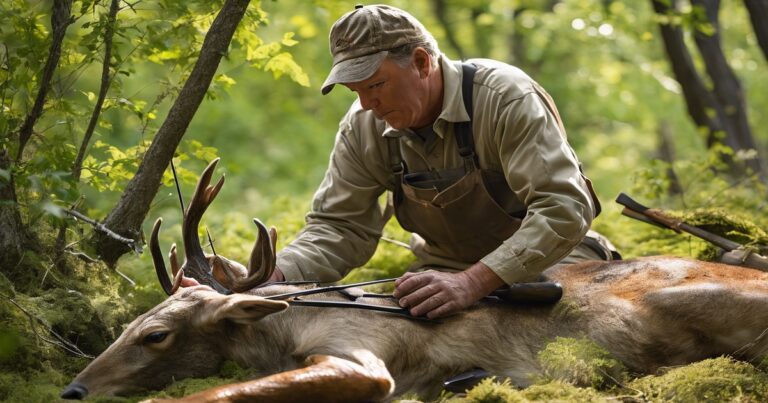
Hunting Licenses: Steps to Obtain Your License
Did you know that over 15 million Americans hunt each year? Obtaining a hunting license is a crucial step for anyone looking to join this outdoor adventure. Understanding how to obtain a hunting license and what requirements you need is essential for a smooth experience. Each state has its own rules, but common requirements for a resident hunting license often include age limits, safety courses, and residency status, especially for a resident youth hunting license, regular hunting, and dog trials.
Navigating the process can seem overwhelming, but it doesn’t have to be. This guide will break down the steps you need to follow and provide tips for fulfilling all the necessary criteria. Whether you’re a newbie in hunter education or just need a refresher on hunter safety education, we’ve got you covered for regular hunting and dog trial.
Understanding Hunting Licenses
Purpose
Hunting licenses play a crucial role in wildlife conservation. They help regulate hunting activities and manage animal populations. Each state uses these licenses, along with hunter safety education and hunter education, to ensure that hunting is done sustainably. Funds from license sales often support conservation programs. This includes habitat restoration and wildlife research.
Resident vs Non-Resident
A resident hunting license is for individuals who live in the state where they plan to hunt and have completed hunter education or are participating in a dog trial. These licenses usually cost less than non-resident ones. Non-residents pay higher fees because they do not contribute to the local economy as residents do. States may have different rules about how long someone must live there to qualify as a resident.
State-Specific Regulations
Every state has its own hunting laws and regulations. These rules dictate when and where hunters can pursue game. For example, some states require a hunter safety certificate before issuing a license. Others may mandate completion of an entire hunter education course for regular hunting or a dog trial.
Hunters must also be aware of specific hunting seasons. For instance, deer hunting season varies by state. Some states offer special permits for disabled hunters or those using archery equipment.
Types of Licenses
Several types of hunting licenses exist based on the type of game hunted, including hunter education and dog trial. A deer hunting license allows hunters to pursue deer during designated seasons. An elk license is necessary for those targeting elk. Some states issue special permits for archery season.
Hunters interested in recreational hunting or dog trial should check their state’s requirements thoroughly. Each license type may come with different stipulations regarding the number of animals that can be harvested.
Importance of Education
Completing a hunter safety course is often essential for obtaining a hunting license. This education ensures that hunters understand safe practices, ethical considerations in the field, and dog trial. Many states require proof of this education before issuing any licenses.
Hunter education programs cover various topics, including firearm safety, wildlife management, and dog trial. Completing these courses not only helps secure a license but also promotes responsible hunting practices.
Steps to Get a License
Application Process
Obtaining a hunting license involves several steps. First, check your state’s wildlife agency website for specific requirements. Most states allow you to apply online. This option is often the quickest and most convenient. You can also visit local vendors like sporting goods stores or outdoor outfitters. They typically provide application forms and can guide you through the process.
e states may require in-person visits for certain types of licenses. Make sure to gather all necessary information before starting the application.
Required Documentation
Documentation is crucial when applying for a hunting license. You will need proof of hunter education if you are an eligible applicant. Many states require completion of a hunter safety course. This course teaches important skills and safety practices for hunting. It usually takes a few hours to complete and can often be done online or in person.
You might also need to provide identification, such as a driver’s license or state ID. Some states may ask for additional documents, like proof of residency or previous hunting licenses.
Timely Submission
Timeliness is essential when applying for a hunting license. Submit your application well before the hunting season begins. Each state has its own deadlines, so check your state’s regulations. Waiting until the last minute can lead to missed opportunities.
In some cases, late applications may not be accepted at all. Plan ahead to ensure you receive your license on time.
Fees and Payment
Most states charge fees for hunting licenses. The amount varies by state and type of license. Some states offer discounted rates for youth or seniors. Payment methods differ as well; many states accept credit cards, checks, or cash at local vendors.
Keep in mind that some fees support wildlife conservation efforts in your area.
Renewal Process
If you have held a hunting license before, know that renewal is often simpler than the initial application process. Many states allow online renewals, requiring less documentation than first-time applicants. Check the expiration date of your current license to avoid any gaps in validity.
Types of Licenses Available
Small Game
Small game licenses allow hunters to pursue species like rabbits, squirrels, and birds. These licenses are popular among new hunters. They provide an entry point into the sport. Many states offer these licenses at a lower cost.
Fur Harvester
Fur harvester licenses focus on trapping animals for their fur. This includes species such as raccoons, foxes, and beavers. Hunters must follow specific trapping regulations. These can vary by state and season. Obtaining this license often requires additional training or education.
Combo Licenses
Combo licenses combine multiple hunting privileges into one. They typically include small game and big game hunting rights. This option is convenient for those who wish to hunt different types of game. It can save money compared to buying separate licenses.
Resident vs Non-Resident
Licenses differ for residents and non-residents. Residents pay lower fees for their licenses. They often have access to more hunting opportunities in their home state. Non-residents face higher costs but can still participate in hunting activities. Some states limit the number of non-resident licenses available each year.
Nonresident Apprentice License
The Nonresident Apprentice License allows newcomers to experience hunting without needing full certification. This license is ideal for individuals new to the sport or those who want to try hunting before committing fully. The hunter must be accompanied by a licensed adult while hunting. This ensures safety and provides guidance.
Special Considerations
e states require hunters to complete a hunter safety course before obtaining any type of license. This course covers essential safety practices and regulations. Each state has different rules regarding age requirements for obtaining licenses.
Additional Options
Many states also offer special licenses for youth hunters and veterans. Youth licenses usually come at a reduced price, encouraging younger generations to get involved in hunting. Veterans may receive discounts or special permits, recognizing their service.
Summary of License Types
- Small Game License
- Fur Harvester License
- Combo License
- Resident License
- Non-Resident License
- Nonresident Apprentice License
Understanding these options helps hunters choose the right license based on their needs and experience level.
General Requirements for Licensing
Age Requirements
Individuals must meet specific age requirements to obtain a hunting license. Generally, applicants need to be at least 12 years old. Those born after January 1, 1972, must complete a hunter education course. This course teaches safe and responsible hunting practices. It also covers local laws and regulations.
Completing this course is crucial for ensuring safety in the field. Many states offer these courses online or in-person. After finishing the course, individuals receive a certificate. This certificate is necessary when applying for a hunting permit.
Hunter Education Course
The hunter education course is not just a formality. It provides essential knowledge about wildlife conservation and ethical hunting practices. Participants learn about different types of game, habitat preservation, and the importance of respecting laws.
Most states require proof of completion before issuing a license. Some states may have additional requirements, such as minimum passing scores on tests related to hunting safety.
Application Process
To apply for a hunting license, individuals need to fill out an application form. This form can often be found online or at local wildlife offices. Applicants must provide personal information like name, address, and date of birth.
e states allow online applications, making the process easier. Others may require applicants to submit their forms by mail or in person.
Habitat Fee Requirement
In addition to the hunting license, many states require a habitat fee. This fee supports conservation efforts and habitat restoration projects. The amount varies by state but is typically added to the overall cost of the license.
Hunters should check with their local wildlife agency for specific amounts and details regarding these fees. Paying this fee helps ensure that wildlife populations remain healthy and sustainable.
Proper Tagging of Game
Proper tagging of harvested game is critical for legal compliance. Most states require hunters to tag their game immediately after harvest. Tags usually include important information such as the date, location, and type of animal harvested.
Failure to tag game correctly can result in fines or loss of hunting privileges. Each state has specific rules regarding tagging procedures, so it’s essential to familiarize oneself with these regulations before heading into the field.
Summary
Obtaining a hunting license involves understanding several key permit requirements. Meeting age requirements and completing a hunter education course are essential steps in this process. Paying habitat fees supports conservation efforts while proper tagging ensures compliance with legal standards.
Special Licenses for Youth and Seniors
Resident Youth License
Resident youth under the age of 16 can enjoy certain exemptions. They do not need a resident youth hunting license if they are accompanied by a licensed adult. This means that young hunters can participate in hunting activities without the burden of obtaining their own license. The adult must be responsible for guiding them and ensuring safety during the hunt.
This provision encourages families to engage in outdoor activities together. It allows parents or guardians to introduce their children to hunting while adhering to state regulations.
Non-Resident Youth Requirements
Non-resident youth under 16 face different rules. They must obtain a youth hunting license specific to non-residents. This license often comes with additional fees compared to resident licenses. States require these licenses to track hunting participation and manage wildlife effectively.
Parents should check local regulations before planning a trip. Each state has its own rules regarding non-resident licenses. Some states may also have restrictions on where non-resident youth can hunt, especially in wildlife management areas.
Senior Discounts
Many states offer special provisions for senior hunters. Individuals aged 65 and older may qualify for discounted hunting permits. These discounts make it easier for seniors to enjoy hunting as a recreational activity.
e states even provide free licenses for seniors, promoting wildlife conservation and outdoor activities among older populations. Seniors should check with their local wildlife agency to find out about available benefits.
These measures encourage participation across age groups. They help foster a love for nature and hunting traditions that can be passed down through generations.
Military and Veteran Benefits
Reduced Fees
Veterans and active military personnel often enjoy reduced fees for hunting licenses. Many states offer discounted rates to support those who have served. For example, in Texas, veterans can get a hunting license for half the regular fee. This benefit encourages outdoor activities among service members.
e states even provide free lifetime hunting licenses. These licenses allow veterans to hunt without needing to renew each year. States like Florida and Michigan have implemented this program. Such initiatives recognize the sacrifices made by military personnel.
Waivers for Education
Certain states allow waivers for hunter education requirements for military members. Active duty personnel may not need to complete standard training courses. This exemption simplifies the process of obtaining a hunting license. It acknowledges that many service members already possess relevant skills.
For instance, in Virginia, military members can bypass the hunter education course if they provide proof of prior training. This flexibility helps veterans start hunting sooner.
Additional Support
Various organizations offer additional support and resources for veterans interested in hunting. Programs exist that focus on connecting veterans with outdoor experiences. These programs often include guided hunts, workshops, and dog trials.
Dog trials are popular among hunters who use dogs to assist during hunts. They provide a chance for veterans to train their dogs while also engaging in friendly competition. Participating in these trials builds camaraderie among veterans and enhances their hunting skills.
Local chapters of national organizations also help veterans find hunting opportunities. Groups like the National Wild Turkey Federation and Ducks Unlimited promote hunting as a way to connect with nature and fellow hunters. They often host events specifically for veterans, fostering community bonds.
Veterans should check with local wildlife agencies for specific resources available in their area. Many state agencies maintain websites that detail benefits for military personnel regarding hunting licenses.
Disability License Criteria
Eligibility Criteria
Individuals seeking a disability hunting license must meet specific eligibility criteria. Generally, applicants must provide proof of their disability. This proof can come from a medical professional who can verify the condition. Each state may have its own rules regarding what qualifies as a disability. Common examples include mobility impairments, visual impairments, or other significant physical limitations.
e states require that the disability significantly affects the person’s ability to hunt. For instance, if a person cannot walk long distances due to a mobility issue, they might qualify. Others might consider cognitive disabilities as well. Applicants should check local regulations for precise definitions and requirements.
Special Accommodations
Disabled hunters often receive special accommodations to enhance their hunting experience. Many states offer exemptions from certain regulations. For example, some allow the use of crossbows or specially designed firearms for those with limited strength or dexterity.
e areas may provide access to hunting spots that are more accessible for individuals with disabilities. States may also have programs that pair disabled hunters with guides or mentors. These programs aim to ensure that everyone can enjoy the outdoors safely and comfortably.
Required Documentation
Documentation is crucial when applying for a disability hunting license. Applicants typically need to submit various forms of proof. A signed letter from a licensed healthcare provider is often required. This letter should detail the nature of the disability and how it impacts hunting abilities.
e states may ask for additional documentation, such as medical records or government-issued disability cards. It’s essential to gather all necessary paperwork before submitting an application. Missing documents can delay the approval process.
Application Process
The application process for a disability hunting license usually starts at the state’s wildlife agency website. Each state has its own form that needs completion. Applicants must fill out personal information and attach required documents. After submission, it may take several weeks to receive approval.
Once approved, hunters should familiarize themselves with any specific rules related to their license type. Some states may require periodic renewal of the disability status verification.
Fees and Validity
License Costs
Obtaining a hunting license involves various costs. The price can differ based on the type of license you choose. For example, a basic resident hunting license may cost around $20 to $30. A non-resident license typically ranges from $100 to $200. Combo licenses, which allow for both hunting and fishing, often start at about $50.
e states offer discounts for youth or seniors. These can reduce the cost significantly. Always check your local regulations for specific prices.
Validity Period
Each hunting license has a set validity period. Most standard licenses are valid for one year from the date of purchase. Some states also offer multi-year licenses that can be valid for up to five years.
Renewal is usually straightforward. Hunters must apply before their current license expires. This process often includes submitting a renewal application and paying the associated fees again.
Additional Fees
Hunters should also consider additional costs when budgeting for their licenses. Habitat fees can be required in some areas to support wildlife conservation efforts. These fees may range from $5 to $25, depending on the state.
One-day licenses are another option for those who only plan to hunt occasionally. These temporary permits usually cost between $10 and $30. They provide an affordable way to participate in hunting without committing to a full season license.
Special Licenses
Special circumstances may require different types of licenses. For instance, individuals with disabilities may qualify for reduced fees or special permits under certain conditions.
States often have specific requirements for these licenses, including documentation proving eligibility. It’s essential to review local laws to ensure compliance.
Summary of Costs
Here’s a quick overview of potential costs:
- Resident Hunting License: $20 – $30
- Non-Resident Hunting License: $100 – $200
- Combo License: Starting at $50
- Habitat Fee: $5 – $25
- One-Day License: $10 – $30
This breakdown helps hunters prepare financially before applying for their licenses.
Frequently Asked Questions
How do I apply for a hunting license?
You can apply for a hunting license online, at designated state offices, or through authorized retailers. Check your state’s wildlife agency website for specific instructions and available options.
What are the age requirements for obtaining a hunting license?
Age requirements vary by state. Generally, individuals must be at least 12 years old, but minors often need parental consent or to complete a hunter safety course.
Do I need to take a hunter safety course?
Yes, most states require completion of a hunter safety course before issuing a license. This ensures you understand safe hunting practices and regulations.
Are there different types of hunting licenses?
Yes, there are various types of licenses, including resident, non-resident, youth, and specialty licenses for specific game. Each type has its own fees and regulations.
How much does a hunting license cost?
License fees vary by state and type. Typically, prices range from $10 to $50 for standard licenses. Special licenses may have different fees.
Can veterans receive discounts on hunting licenses?
Many states offer discounts or free licenses to military veterans. Check with your local wildlife agency to see what benefits are available in your area.
What if I have a disability?
Certain states provide special licensing options for individuals with disabilities, allowing them to hunt under modified rules. Contact your state’s wildlife agency for details on eligibility and application processes.