
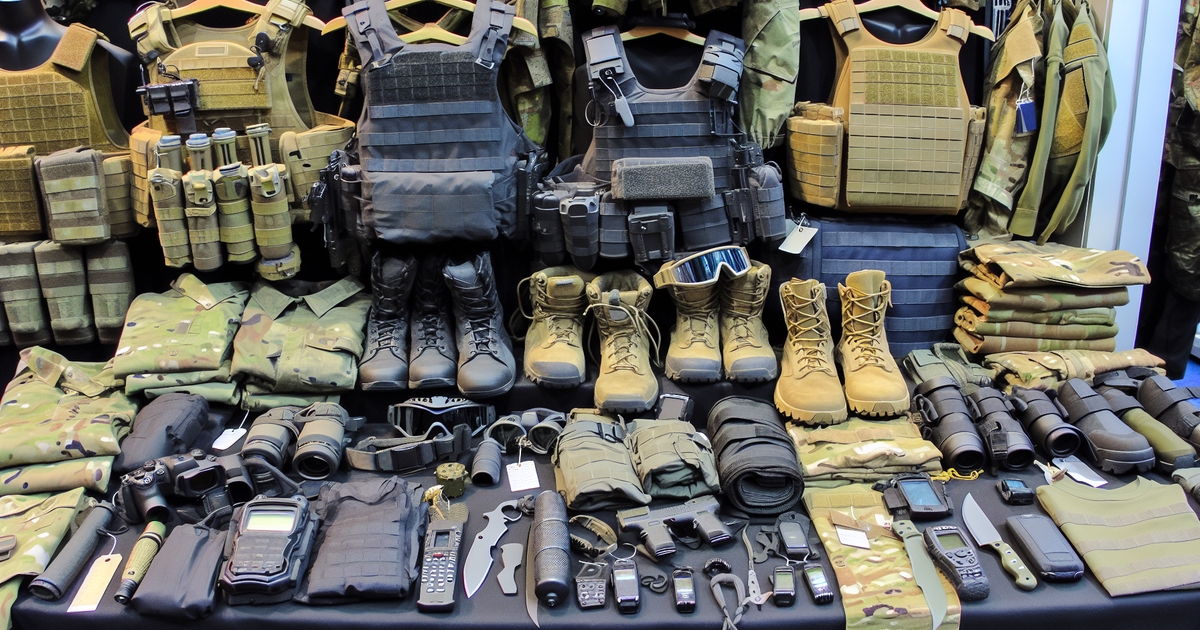
Special Forces Gear: Tactical Essentials & High-Performance Selection
-
The Importance of Tactical Gloves in Special Forces Operations
-
Innovations and Advancements in Special Forces Gear Technology
-
-
What are the essential tactical gear for special operations?
-
How do I select high-performance footwear for special forces?
-
Why is understanding MOLLE systems important for efficient load management?
-
What is the significance of gear education and proper configuration in special forces operations?
-
How do renowned brands contribute to advancements in special forces gear technology?
-
Special forces gear has always been the epitome of precision and functionality. From the early days of guerrilla warfare to modern covert operations, specialized equipment has played a pivotal role in achieving mission success. This blog post delves into the evolution of special forces gear, exploring its historical significance and contemporary application.
Key Takeaways
- Special forces operatives should prioritize selecting high-quality tactical gear that meets the demands of their missions, focusing on durability, functionality, and comfort.
- When choosing footwear, special forces personnel should opt for high-performance, durable options that provide excellent support and traction in various terrains to ensure optimal performance and injury prevention.
- Plate carriers and body armor are essential for protection in high-risk situations, and special forces members should invest in reliable, well-fitted gear to maximize safety and mobility.
- The selection of tactical gloves is crucial for hand protection and dexterity during operations, emphasizing the need for specialized gloves designed for durability, grip, and flexibility.
- Understanding MOLLE systems is vital for efficient load management, allowing special forces personnel to customize their gear setup based on mission requirements for improved organization and accessibility.
- When purchasing tactical pants and boots, special forces operatives should consider factors such as durability, flexibility, breathability, and functionality to ensure optimal performance and comfort in diverse environments.
Tactical Gear Essentials for Special Operations
Importance
Special forces gear must be lightweight to ensure agility and mobility during operations. Heavy equipment can slow down operatives, affecting their ability to respond quickly in critical situations. Durability is crucial for withstanding harsh conditions, ensuring that the gear remains intact throughout missions.
The significance of lightweight and durable special forces gear cannot be overstated. Imagine a special operative trying to navigate through rough terrain with heavy, cumbersome equipment. It would hinder their movements and compromise their effectiveness in executing tasks swiftly and efficiently.
Prioritizing lightweight materials such as high-strength polymers or advanced textiles ensures that operatives can move swiftly without being encumbered by heavy loads. Durability is equally vital; rugged construction prevents damage or failure of essential gear during intense operations.
Versatility
Versatility in special forces gear allows operatives to adapt to various scenarios seamlessly. For instance, a multi-functional backpack that can serve as a hydration pack, medical kit carrier, or ammunition holder provides flexibility in different mission requirements.
The versatility of special forces gear enables operatives to carry out diverse tasks without needing an array of specialized equipment for each specific function. This not only reduces the weight burden but also streamlines logistics by minimizing the number of items required for different operational needs.
Integrating versatile components into special forces gear, such as modular pouch systems on vests or adaptable weapon accessories, empowers operatives to customize their loadouts based on the mission at hand. This adaptability enhances operational readiness and overall efficiency during special operations.
Technological Advancements
In modern times, technology plays a pivotal role in enhancing the performance capabilities of special forces gear. From advanced communication devices integrated into tactical helmets to night vision optics incorporating cutting-edge sensor technologies – these advancements significantly elevate operational effectiveness.
The integration of technology within special forces gear amplifies situational awareness while enabling seamless communication among team members even in challenging environments like dense forests or urban settings where traditional communication methods may falter.
Furthermore, technological innovations enhance precision targeting through smart scopes and aiming devices embedded within firearms – providing unparalleled accuracy when engaging targets over varying distances.
High-Performance Footwear Selection for Special Forces
Impact of Footwear on Agility and Endurance
The right special forces gear can significantly impact a soldier’s agility and endurance.The choice is critical. Imagine navigating through rugged terrains or engaging in high-intensity operations; appropriate footwear can make all the difference. Lightweight, durable boots with excellent traction are essential for maintaining agility during swift movements and maneuvers.
Special forces operatives need to be able to move quickly and effectively across various landscapes without being hindered by their footwear. For instance, when operating in mountainous regions, having boots with superior ankle support and grip is crucial for maintaining stability while traversing steep inclines and rocky surfaces. This ensures that they can cover ground efficiently without compromising on speed or risking injury.
In addition to agility, endurance is also heavily reliant on suitable footwear choices. Long missions require comfortable yet sturdy boots that provide ample cushioning and support to minimize fatigue during extended periods of physical activity. By prioritizing supportive features such as shock-absorption technology and cushioned midsoles, soldiers can sustain their performance levels over prolonged durations without succumbing to discomfort or foot-related issues.
Consideration of Terrain-Specific Requirements
When selecting special forces gear, including footwear, consideration must be given to terrain-specific requirements. Different environments necessitate distinct characteristics in footwear design to ensure optimal functionality under specific conditions. For instance, desert operations call for breathable boots with superior ventilation capabilities to combat excessive heat while preventing sand from entering the shoe.
Conversely, jungle warfare demands waterproof yet quick-drying boots equipped with aggressive treads capable of providing reliable traction on slippery mud or wet foliage-covered surfaces. The ability of special forces personnel to adapt swiftly within diverse terrains hinges greatly upon their access to specialized footwear tailored specifically for each environment they may encounter.
Moreover, urban settings present unique challenges that warrant tactical boots designed for enhanced maneuverability amidst debris-laden streets or confined spaces characteristic of built-up areas where conventional military-issue combat boots might prove unsuitable due to bulkiness or lackluster flexibility.
Plate Carriers and Body Armor: The Basics
Balancing Protection and Mobility
Plate carriers and body armor play a crucial role in providing protection while ensuring mobility. These pieces of equipment are designed to strike the perfect balance between safeguarding the wearer from ballistic threats and allowing them to move swiftly during operations. Plate carriers are specifically engineered to hold ballistic plates, offering vital protection without compromising agility.
The need for optimal maneuverability necessitates the use of lightweight yet durable materials in the construction of these gears. By incorporating advanced fabrics such as Kevlar or Dyneema, manufacturers ensure that special forces personnel can maintain their speed and flexibility without sacrificing safety. This allows them to navigate challenging terrains with ease while remaining shielded from potential harm.
Plate carriers feature adjustable straps and harness systems that enable wearers to customize the fit according to their body type and operational requirements. This level of customization ensures that individuals can achieve a comfortable yet secure fit, enhancing their overall performance on the field.
Customization Options for Individual Needs
Special forces operatives require gear tailored to meet their specific needs based on different mission profiles. Plate carriers offer an array of customization options, allowing users to attach pouches, holsters, medical kits, communication devices, hydration systems, and other essential accessories as per their operational demands.
This modular approach enables personnel to configure their gear setup according to the nature of the mission they are undertaking. For instance, during reconnaissance missions where stealth is paramount, they may opt for a streamlined configuration with minimal attachments for enhanced agility. Conversely, in situations requiring prolonged engagements or medevac support roles—where carrying additional ammunition or medical supplies is imperative—they can easily adapt their gear accordingly.
Furthermore, some plate carrier designs incorporate quick-release mechanisms that allow wearers to rapidly shed the equipment if necessary—for example when swimming across bodies of water or extricating injured teammates from hazardous environments—ensuring both safety and efficiency in critical scenarios.
The Importance of Tactical Gloves in Special Forces Operations
Enhanced Grip and Dexterity
Special forces gear, particularly tactical gloves, plays a crucial role in enhancing the grip and dexterity required for weapon handling. When engaging in high-stakes operations, such as close-quarters combat or precision shooting, tactical gloves provide a secure grip on firearms, ensuring optimal control and accuracy. For example, when using pistols or rifles with heavy recoil, the textured surface of these gloves prevents slippage, allowing operatives to maintain a firm hold during rapid fire.
Tactical gloves are designed with reinforced padding at key pressure points to shield against impact and abrasions. This protection is vital during dynamic movements that involve scaling obstacles or breaching structures. Furthermore, these gloves offer insulation from extreme temperatures and serve as a barrier against cuts and punctures caused by sharp objects or debris present in urban environments.
Compatibility with Touchscreen Devices
In today’s digitally connected world, seamless communication is integral to mission success. Special forces personnel rely heavily on electronic devices for coordination and intelligence gathering. Tactical gloves equipped with touchscreen compatibility allow operatives to use smartphones, tablets, GPS units without having to remove their protective gear – enabling swift access to critical information while maintaining operational security.
Additionally,special forces operators often encounter adverse weather conditions such as rain or snow during missions. In such scenarios where conventional touchscreens may malfunction due to moisture exposure,touchscreen-compatible tactical gloves ensure uninterrupted operability of electronic devices under challenging environmental circumstances.
Understanding MOLLE Systems for Efficient Load Management
Modular Attachment
Special forces gear often utilizes the MOLLE system, which stands for Modular Lightweight Load-carrying Equipment. This system allows soldiers to attach various pouches, holsters, and other equipment directly onto their vests or backpacks. By using this modular attachment, special forces operatives can customize their gear setups based on the specific needs of each mission. For example, a sniper may require extra ammunition pouches and a sidearm holster, while a medic might need space for medical supplies and tools.
The adaptability of the MOLLE system ensures that each soldier’s loadout is tailored to their role within the unit. This flexibility enables them to carry only what they need for a particular mission without being burdened by unnecessary equipment.
Weight Distribution and Accessibility
One of the key benefits of utilizing special forces gear equipped with MOLLE systems is its ability to optimize weight distribution across the body. By strategically attaching pouches and accessories at different points on their vests or backpacks, soldiers can evenly distribute the weight of their equipment. This prevents strain on any single area of the body during extended missions.
Moreover, this modular setup enhances accessibility as well. Soldiers can position essential items such as first aid kits or communication devices within easy reach, allowing them to swiftly respond to changing situations without fumbling through cumbersome packs.
Mission-Specific Requirements
The adaptability of MOLLE systems also caters to mission-specific equipment requirements. Whether it’s an urban reconnaissance operation or a long-range patrol in rugged terrain, special forces operators can configure their gear accordingly using compatible MOLLE attachments.
For instance, during urban operations where quick access to ammunition is crucial, soldiers might opt for magazine pouches positioned at chest level for rapid reloads. Conversely, in mountainous environments where hydration is paramount but limited space is available inside backpacks due to other necessary items like ropes and climbing hardware; attaching water bottle holders externally via MOLLE webbing offers an efficient solution.
Tactical Pants and Boots: A Buying Guide
Material Matters
The choice of tactical pants and boots is crucial. The selection process is influenced by several factors, with material being a top consideration. Special forces require pants and boots made from durable, lightweight, and breathable materials.
The integration of moisture-wicking and breathable materials is essential for special forces gear. Tactical pants should be constructed using quick-drying fabric that wicks away sweat to keep the wearer dry during intense operations. Similarly, boots should feature moisture-wicking linings to prevent discomfort caused by wet feet.
Proper fit significantly impacts the overall comfort and performance of tactical pants and boots. Ill-fitting gear can lead to chafing, blisters, or restricted movement, affecting a soldier’s agility in critical situations.
Comfort Equals Performance
The right fit ensures that tactical pants are neither too loose nor too tight; they should allow ease of movement without being constrictive. Adjustable waistbands contribute to a customized fit for added comfort during prolonged wear.
Similarly, when selecting tactical boots for special forces use, proper sizing plays a vital role in preventing foot injuries such as sprains or strains while maintaining optimal support on challenging terrains.
Comfortable tactical gear enhances mobility which directly impacts performance during missions. Therefore, finding the right balance between durability and flexibility in both pant and boot selections is paramount for special forces operatives.
Innovations and Advancements in Special Forces Gear Technology
Smart Fabrics Integration
Special forces gear has undergone significant advancements, particularly through the integration of smart fabrics. These innovative textiles are designed to enhance the performance and functionality of tactical gear. For instance, certain smart fabrics possess moisture-wicking properties, ensuring that the wearer remains dry and comfortable even during intense physical activities. Some materials incorporate antimicrobial features to combat odor-causing bacteria, crucial for extended missions where hygiene is a challenge.
Moreover, smart fabrics can also provide enhanced durability without compromising flexibility. This means that special forces personnel can move swiftly and stealthily while being confident in their gear’s ability to withstand rugged environments. The utilization of these advanced textiles not only elevates comfort but also contributes to overall mission success by providing reliable equipment that adapts to diverse operational requirements.
The benefits of integrating smart fabrics into special forces gear are truly transformative. Not only do they optimize comfort and durability, but they also play a pivotal role in enhancing operational effectiveness by addressing critical challenges faced in high-intensity scenarios.
Cutting-Edge Manufacturing Techniques
In addition to smart fabric integration, another remarkable aspect of modern special forces gear technology lies in the utilization of cutting-edge manufacturing techniques. One notable advancement is the adoption of 3D printing for producing specialized components such as lightweight protective armor or customized equipment attachments tailored to individual operator requirements.
Furthermore, additive manufacturing enables rapid prototyping which facilitates swift design iterations based on real-world feedback from operators in the field. This iterative approach ensures that gears are continually refined and optimized based on practical usage scenarios rather than solely relying on theoretical assessments conducted within controlled environments.
These cutting-edge manufacturing techniques have revolutionized how special forces gear is conceptualized, developed, and produced—ushering in an era where customization meets efficiency seamlessly.
Reduced Thermal Signature Development
Another significant breakthrough is seen with the development of special forces gear featuring reduced thermal signature capabilities. By leveraging advanced materials engineered to minimize heat retention or dispersion patterns associated with traditional textile production methods—these innovations effectively reduce infrared detection risk when operating behind enemy lines or during covert operations at night.
The incorporation of reduced thermal signature
Exploring Renowned Brands and Industry Collaborations
Reputation: Quality and Reliability
Special forces gear is synonymous with durability, functionality, and precision. Top brands such as 5.11 Tactical, Blackhawk, and Oakley have built a reputation for producing high-quality gear that meets the rigorous demands of special operations. These brands are known for their attention to detail in design, materials used, and overall construction. The reliability of their products has been tested in extreme conditions by elite military units worldwide.
Collaborative Efforts To address the specific operational needs of special forces units, many renowned brands collaborate directly with active-duty personnel to develop specialized gear. This collaboration ensures that the equipment meets the exact requirements of those who will use it in real-world scenarios. For example, companies like Crye Precision work closely with Special Forces operators to create cutting-edge combat apparel tailored to their unique missions and environments.
Influence of User Feedback The evolution of special forces gear is greatly influenced by user feedback from those operating in dynamic environments around the globe. Brands actively seek input from soldiers engaged in diverse missions to improve existing products or develop new ones altogether. This approach allows them to respond swiftly to emerging challenges faced by special operations units while enhancing the performance and safety of their gear.
The Significance of Gear Education and Proper Configuration
Training on Gear Maintenance
Proper gear education is crucial for the effectiveness of special forces operations. Training on gear maintenance and care practices ensures that equipment remains in optimal condition, reducing the risk of malfunctions during critical missions. For example, learning how to clean and maintain firearms regularly can prevent jams or misfires in high-pressure situations.
It’s essential for special forces operatives to understand the intricacies of their gear, including its assembly, disassembly, and troubleshooting. By being well-versed in these aspects, they can swiftly address any issues that may arise with their equipment while on duty.
Personalized Configuration
Personalized configuration based on mission requirements plays a pivotal role in ensuring that special forces operatives are adequately equipped for diverse scenarios. Each mission demands different sets of tools and protective gear tailored to specific objectives. For instance, a reconnaissance operation might necessitate lightweight yet durable communication devices and night vision goggles for stealthy movements under low-light conditions.
By understanding how to configure their gear according to distinct mission parameters, special forces personnel can optimize their operational capabilities while minimizing unnecessary weight burdens or inadequacies in equipment functionality.
Adherence to Safety Standards
Adhering to safety standards is imperative for optimal gear utilization within the special forces community. Compliance with established safety protocols not only safeguards the lives of operatives but also preserves the longevity of specialized equipment. This includes following guidelines related to body armor fitting, weapon handling procedures, as well as proper storage and transportation methods for sensitive electronic devices.
Moreover, meticulous adherence to safety standards fosters a culture of accountability among special forces members regarding the upkeep and responsible usage of their assigned gear.
Final Remarks
You’ve now got the lowdown on all the essential gear for special forces operations. From tactical pants to high-performance footwear, plate carriers, and tactical gloves, you’re armed with the knowledge to make informed choices. Remember, it’s not just about having the gear; it’s about understanding its significance and how to configure it properly. So, whether you’re gearing up for a mission or simply expanding your knowledge, dive into the world of special forces gear with confidence.
Now that you’re equipped with this valuable insight, go ahead and explore the options available to you. Whether it’s researching renowned brands or staying updated on industry advancements, staying informed is key. Keep honing your gear education and share this knowledge with your comrades. Stay sharp, stay informed, and stay safe out there!
Frequently Asked Questions
What are the essential tactical gear for special operations?
The essential tactical gear for special operations includes high-performance footwear, plate carriers and body armor, tactical gloves, MOLLE systems for load management, and specialized pants and boots.
How do I select high-performance footwear for special forces?
When selecting high-performance footwear for special forces, consider factors like durability, support, comfort, traction, and compatibility with different terrains to ensure optimal performance in various operational environments.
Why is understanding MOLLE systems important for efficient load management?
Understanding MOLLE systems is crucial as it allows operatives to efficiently customize their gear setup according to specific mission requirements. This modularity enhances versatility and ensures that equipment can be easily accessed while on the move.
What is the significance of gear education and proper configuration in special forces operations?
Gear education and proper configuration play a vital role in ensuring operational success by maximizing efficiency and minimizing risks. Understanding how to effectively utilize specialized gear enables operatives to perform at their best in challenging scenarios.
How do renowned brands contribute to advancements in special forces gear technology?
Renowned brands often collaborate with industry experts and gather feedback from actual users to develop innovative solutions that address specific operational needs. These collaborations drive advancements in material technology, ergonomics, functionality, and overall performance of specialized gear.


